
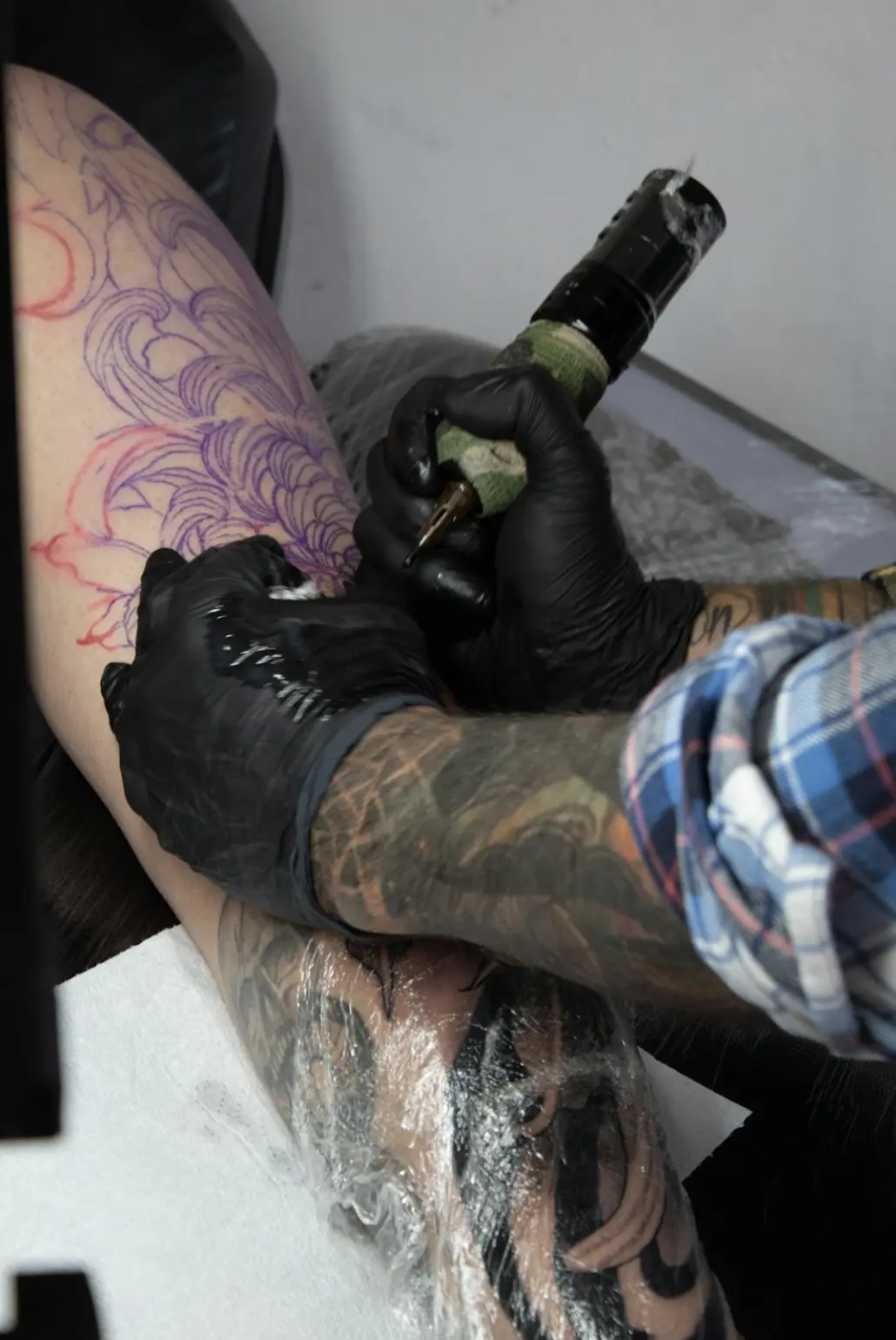
When clients ask me “IIs it illegal to tattoo without a license in Australia*?”* I can see why — it sounds like one of those grey-area rules that might depend on who you ask. But let me be clear: in Australia, tattooing or cosmetic tattooing without the correct licence or registration is illegal.
Whether you’re in Melbourne, Sydney, Brisbane or Adelaide, the rules exist for good reason — your health and safety. I’ve been tattooing faces for nearly a decade, and trust me, a bit of paperwork is nothing compared to the damage an unlicensed setup can cause. Let’s break down what the law says, what it means for you as a client and how to make sure you’re walking into a studio that’s both beautiful and fully compliant.
What “Licensed” Means In The Beauty Industry
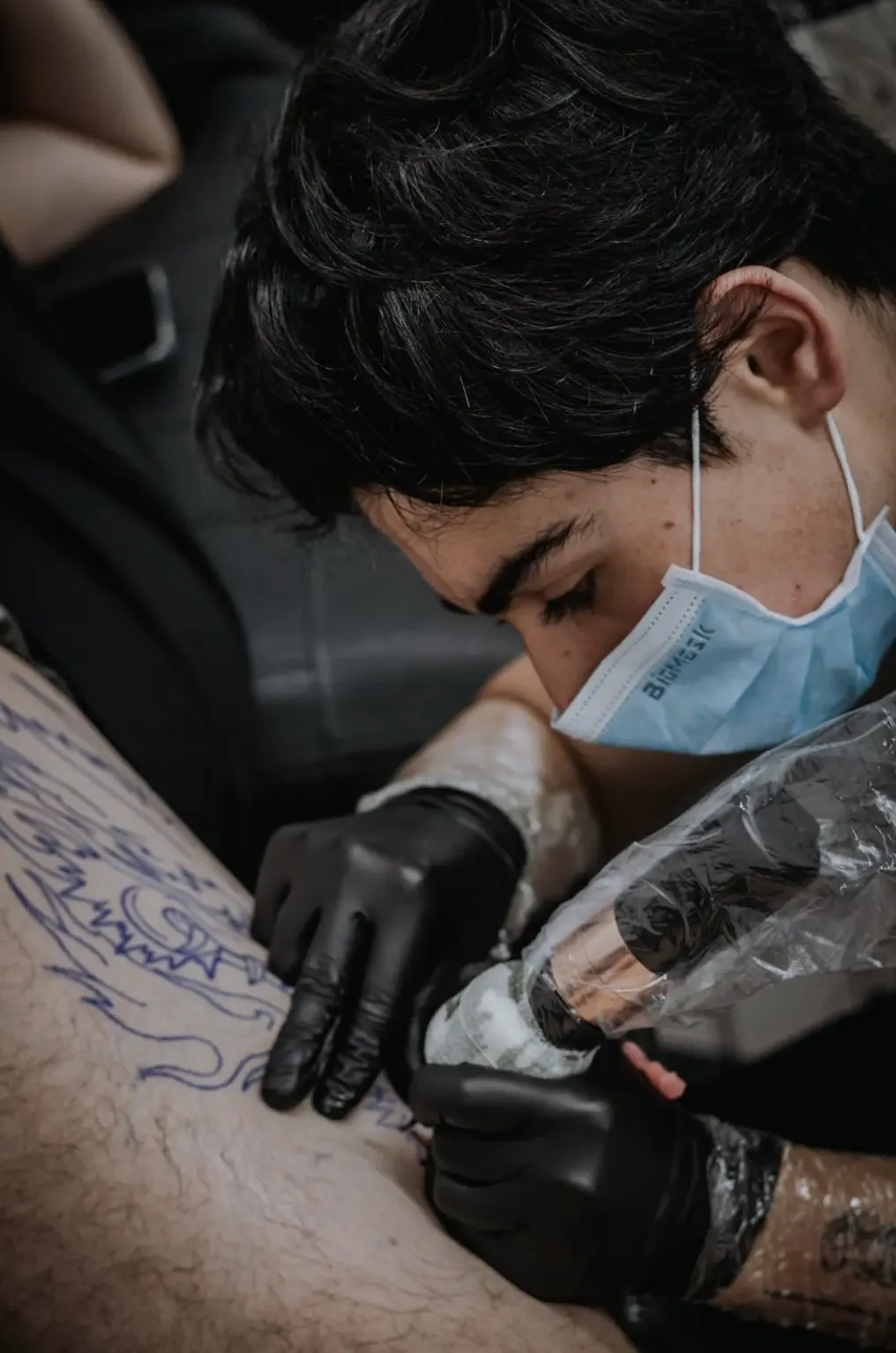
Here’s the thing — not every artist with a steady hand and a tattoo gun should be tattooing skin. Licensing exists to ensure every practitioner follows hygiene, infection-control and ethical-safety standards.
In Australia, each state and territory regulates tattooing and skin-penetration procedures under its own public-health legislation. That means what counts as a licence in New South Wales might be a council registration in Victoria. But in all cases, tattooists — including cosmetic tattoo artists — must be approved, registered or licensed before performing any procedure.
Let’s look at the national picture.
Requirements By State
Every state in Australia has its own version of the rules, but the purpose is always the same — to keep clients safe, prevent blood-borne diseases and ensure only trained and licensed tattoo artists perform procedures. Below is a summary of the main regulations across the country, including the laws that apply to cosmetic tattooing procedures and traditional tattooing alike.
| State / Territory | Regulation / Act | Who Must Hold A Licence Or Registration | Penalties For Non-Compliance |
|---|---|---|---|
| Victoria | Health (Infectious Diseases) Regulations 2001 & local council laws | All skin-penetration operators and premises must register with the council | Fines up to $48,000 for unregistered operation |
| New South Wales | Tattoo Industry Act 2012 | Individual tattooists and operators must hold a licence issued by NSW Police | Up to $55,000 fine or 12 months imprisonment |
| Queensland | Tattoo Industry Act 2013 | All tattooists and body-art operators must be licensed by the Office of Fair Trading | Fines exceeding $68,000 |
| South Australia | Health (Skin Penetration Procedure) Regulations 2008 | Businesses and individuals must notify the council and follow infection-control standards | Council prosecution and closure orders |
| Western Australia | Health (Skin Penetration Procedure) Regulation 1998 | Registration with the local government and compliance with the Code of Practice | Substantial fines for breaches |
| Tasmania | Public Health (Infectious Diseases) Regulations 2019 | Registration of a business conducting skin-penetration | Up to $8,650 in penalties |
| ACT / NT | Territory-based health regulations | Registration or approval with the local authority | Enforcement or closure for non-compliance |
Why Licensing Matters in Australia
You might be wondering what all the fuss is about, but “just a bit of ink” is far from it. Not by a long shot.
Tattooing is a serious business, and it’s a bit more than just signing a piece of paper. You see, when a tattoo needle breaks the skin, both the artist and client are at risk of getting some nasty diseases, like hepatitis B, hepatitis C and HIV. So when you look at the Public Health Acts in every state, tattooing gets classified as a high-risk activity. That’s medical-adjacent territory we’re talking about now.
Having a license (or registration) is what ensures that a studio like Face Figurati Melbourne does things properly. Here’s what we do to keep things safe:
- We use properly sterilised equipment and make sure those tattoo needles are new every time.
- Our artists are trained in the right infection control procedures, and we’ve got the authorities to back it up.
- We dispose of our trash properly, following all the environmental health regulations.
- Every surface and instrument gets cleaned with some serious, hospital-grade disinfectant.
- And at the end of the day, we keep a record of every client, including all the pigment numbers we used, so we can check in on them later if need be.
Here at Face Figurati, we’re registered with the council and follow the Australian Standard AS/NZS 4815:2006 for offices like ours. So you can bet that our gloves and barrier cream are the good stuff — hospital-grade and all that.
What Counts As Tattooing
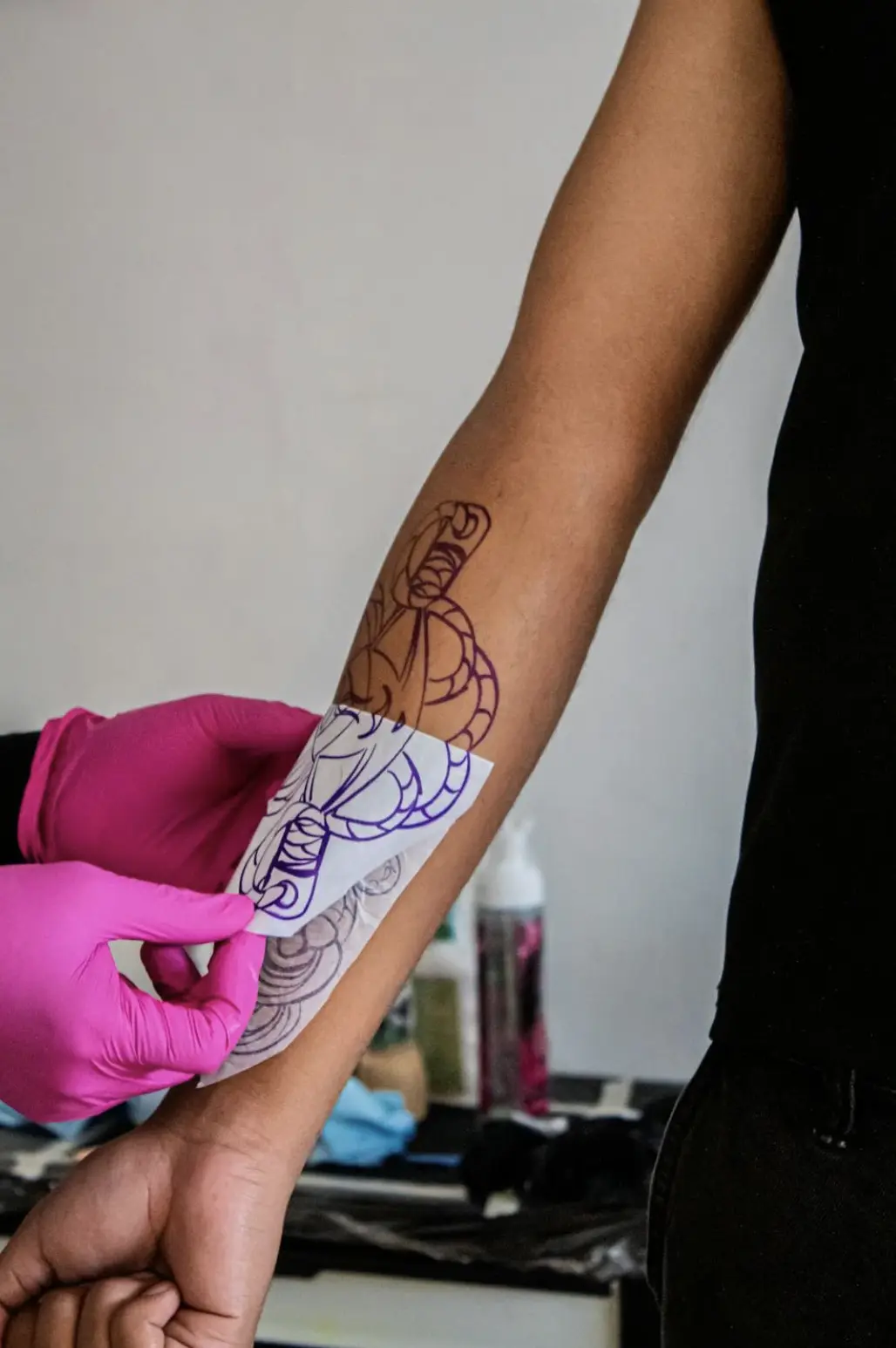
Now, here’s where a lot of people get confused: they assume just because it’s not body art, that cosmetic tattooing (like lip blush or eyebrow tattooing) is somehow different. But let’s set the record straight – it’s the same thing, a skin-penetration procedure all the same.
If you’re on the receiving end of:
- Lip blushing, lip liner, full-lip colour – all that jazz
- Eyebrow tattooing (microblading, powder, ombré, or nano brows)
- Eyeliner tattooing or lash enhancement
- Areola or scar camouflage
then you’re dealing with the same rules as traditional body art. That means your artist needs to be licensed, have the right infection control certification, and be working out of a registered studio.
Not following the rules can lead to all sorts of serious trouble – not just the law, but your health as well – from allergic reactions to needing to go to the hospital.
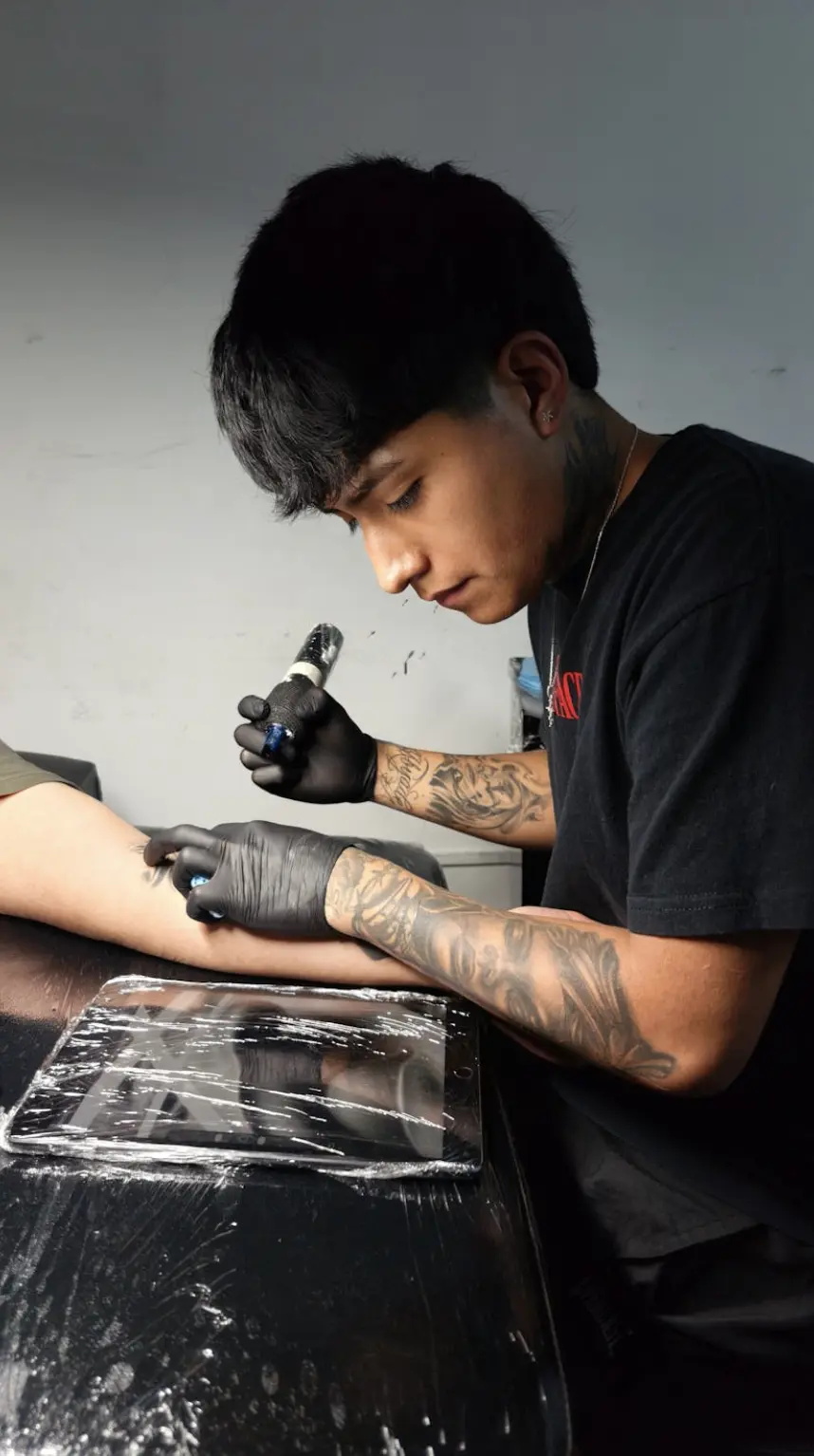
How To Check A Tattoo Licence
If you’re thinking about getting some cosmetic tattooing done in Melbourne, here’s what you do to check if your artist is legit:
- Ask to see their license or council registration. It should be right out for all to see.
- Check they’ve got the right infection control certification. In Vic, they need to have completed some training that’s been ticked off by the Department of Health.
- Make sure they’ve got a registered business name and ABN. You can check that on the ABR.
- Look at their online reviews and some photos. Proper artists have some nice before-and-after photos to show you.
- Give the studio a once-over. If you don’t see sealed needles, sterilised gear, and all that, you know who to walk away from.
If you’re smart, you’ll ask these sorts of questions. Your artist will thank you for it, because it shows you care about your health almost as much as you care about how you look.
And if you’re thinking of becoming a pro yourself, then check out Cosmetic Tattoo Melbourne for some top-notch training, because let’s face it, going to the eyebrow tattoo course is the only way to get the skills and experience you need.
No Licence, Big Trouble
Operating without the required licence or registration isn’t a “warning-and-you’re-done” situation. It’s a criminal offence. Authorities can issue on-the-spot fines, shut down the premises and prosecute repeat offenders.
Beyond the legal risk, insurance companies won’t cover unlicensed operators. So if anything goes wrong — infection, allergic reaction, pigment scarring — you have no cover.
Licensed studios like Face Figurati have public liability and treatment-risk insurance because we meet legal and health-department standards.
FAQ
Can I Tattoo Myself At Home In Australia?
Technically yes, but if you charge others or advertise services, you’re operating illegally without a licence or registration. Even for personal use, it’s not safe without sterile conditions.
What Licence Do I Need To Become A Cosmetic Tattooist In Victoria?
You need to register your business with your local council, complete an infection-control course and follow the Health (Infectious Diseases) Regulations 2001.
Are The Rules Different For Microblading?
No — microblading is considered tattooing because it breaks the skin and deposits pigment. It requires the same registration and hygiene standards.
What Happens If A Studio Operates Without Registration?
Local councils or police can issue fines, shut down the premises or prosecute under public-health laws. Clients can also report unsafe practices.
How Can Clients Stay Safe?
Choose a licensed studio, check certificates and make sure single-use sterile tools are opened in front of you.