
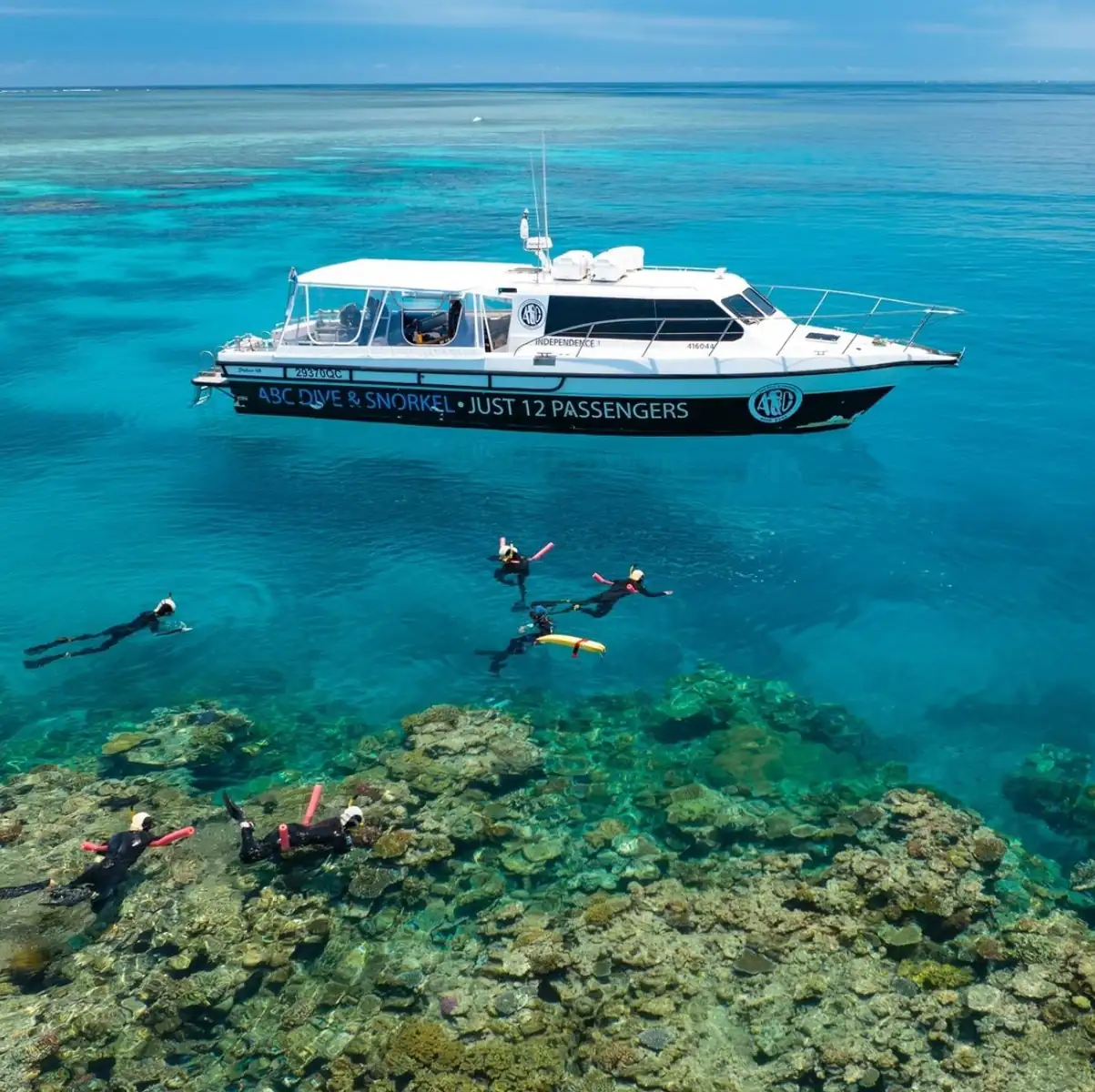
Great Barrier Reef day trip vs. liveaboard: Is an overnight stay worth the cost? Right up front, I’ll tell you the answer. If you’re looking for depth, quiet time on the reef, and close encounters with marine life, an overnight stay is the way to go. But if time is tight, you have a tight budget, or you just want a solid snorkel on the Outer Reef, a day trip will still get the job done.
I’ve organised countless trips and seen loads of travellers come back beaming from both options. The key difference isn’t about who can say they’ve stayed overnight – it’s about the vibe, the kind of access you get and how much you want the reef to really sink in.
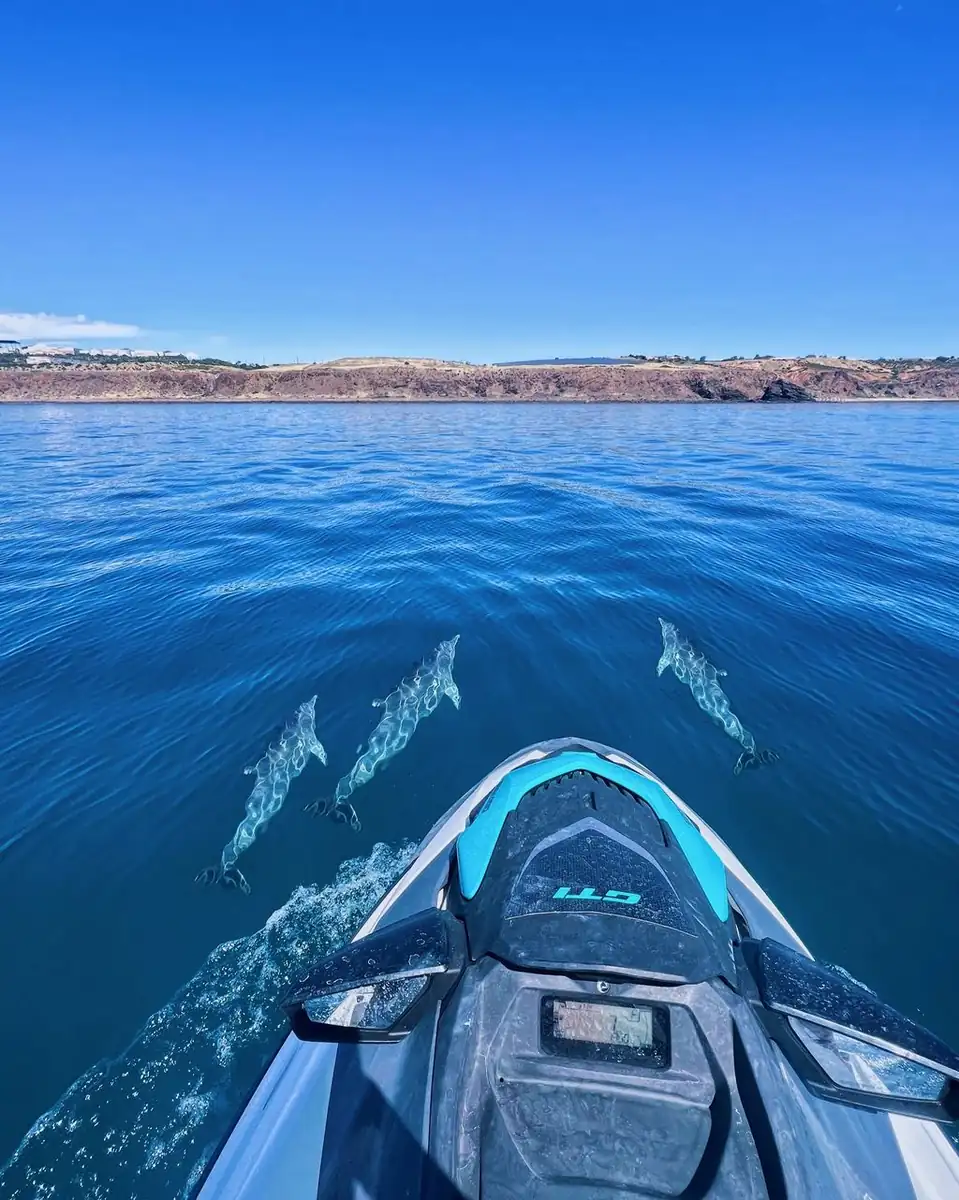
And no, this isn’t like booking a Tropical Island Jet Ski Tour in Surfers Paradise. This is the real deal – a 2,300 km stretch of living coral reef right off the coast of Queensland. You can’t just tick it off the list – you’ve got to experience it.
How A Single -Day Trip Actually Unfolds
Day boats are pretty efficient. You board in the morning at Port Douglas or Cairns, sail across the Coral Sea, spend a few hours snorkelling or scuba diving, grab some lunch, and then head back home.
It’s all pretty structured, pretty social and pretty time-friendly.
What Actually Goes On On The Water
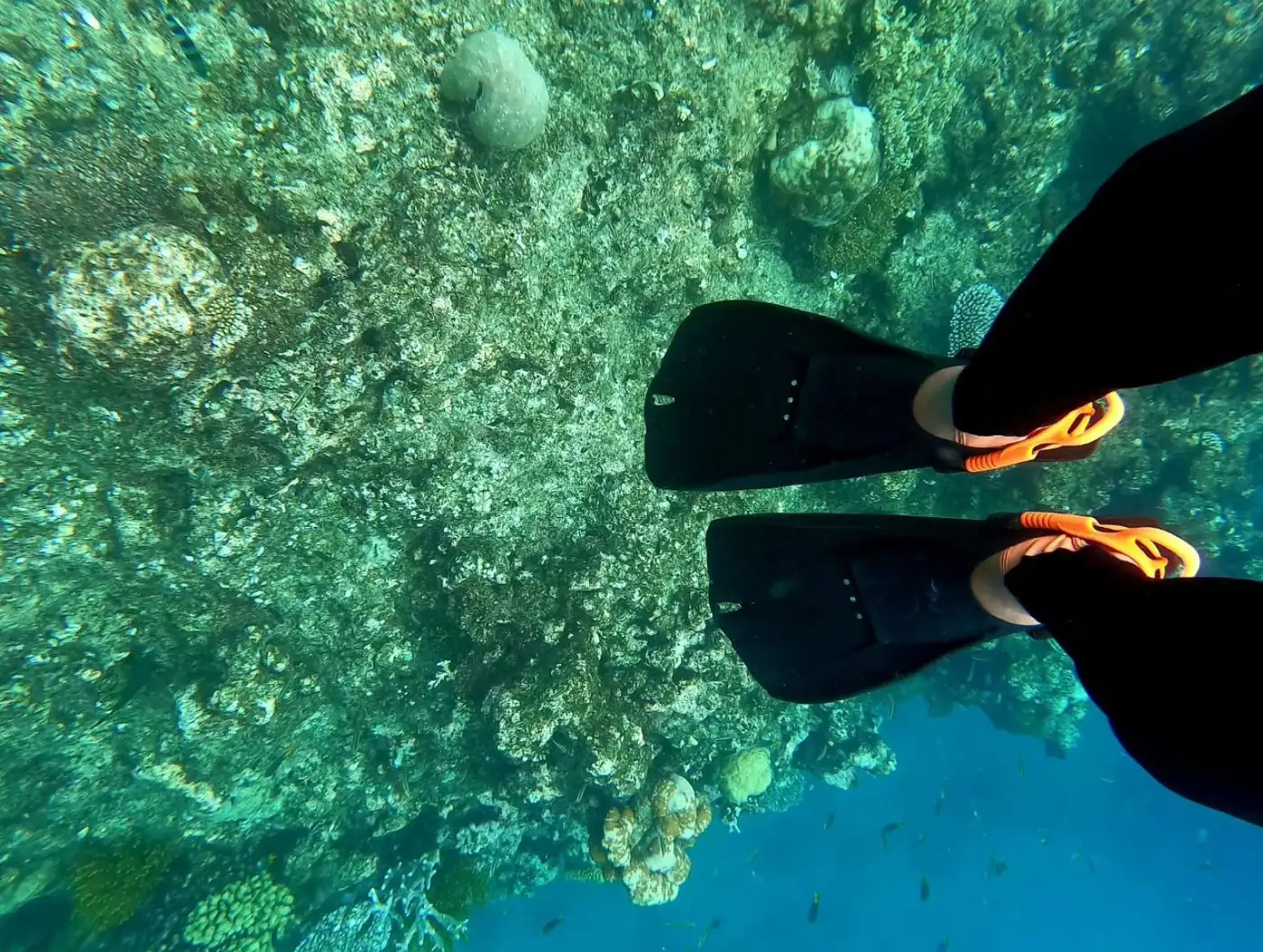
From Port Douglas, many operators head to Agincourt Reef on the Outer Reef. Then there are Cairns departures that tend to occur at places like Milln Reef, Flynn Reef, Saxon Reefs, or Hastings Reefs. Some use a floating pontoon and anchor it over a local reef; this provides everyone with a stable base to work from, especially for snorkelling sessions and introductory Scuba Dive experiences.
You can usually look forward to:
- Around 3-4 hours in the water
- Snorkelling gear included (no need to bring your own)
- Option to do a Scuba Dive with a guide who’ll keep you safe and show you the ropes
- Lunch in a communal dining area
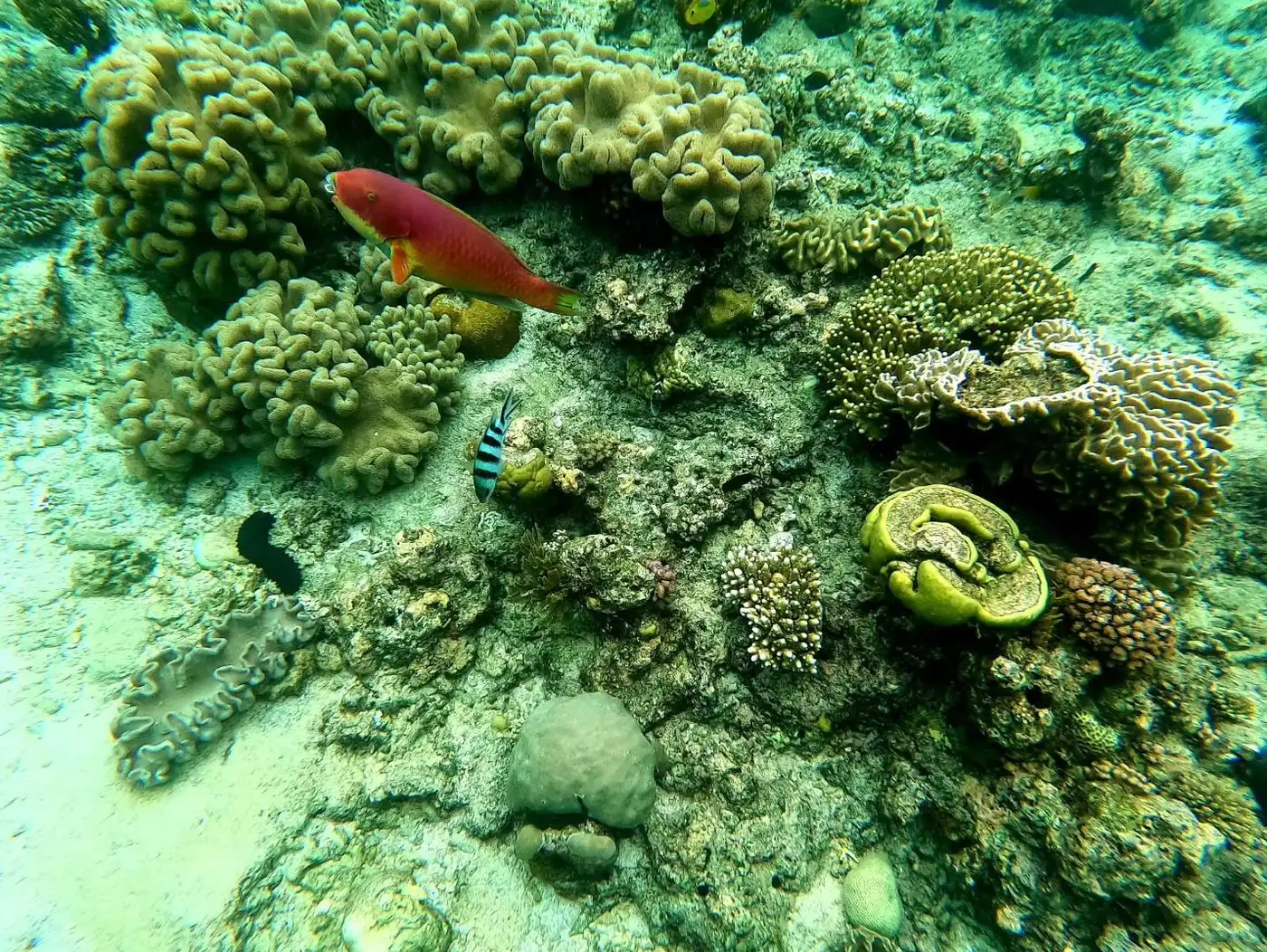
First-time scuba divers love this setup – the guide controls the pace and depth so you get to see some amazing coral and loads of fish and maybe even some parrotfish cruising along the reef
The Downsides
You’ve got to give up some time for the trip out. Getting to the Outer Reef can take an hour and a half each way, and on bad weather days it can get pretty rough – I’ve seen some people holding on for dear life.
The reef sites near the mainland can get pretty busy during peak season (May to October). Not out of control, but you won’t be the only one out there.
If your reef visit is part of a bigger East Coast trip – e.g., Daintree Rainforest or Cape Tribulation – a day trip slots in pretty neatly with the rest of your plans.
What Changes When You Sleep on the Reef
A multi-day liveaboard adventure can completely disrupt your day. Instead of heading out to the reef, you wake up with the coral right under your feet.
No frantic early morning. No scrambling to make the most of a limited return window.
The Ultimate Immersive Experience
Liveaboard dive trips departing from Cairns or Port Douglas take you on a leisurely cruise up to the Ribbon Reefs and further afield into the Coral Sea. Boats such as MV Spoilsport and OceanQuest Liveaboard offer set itineraries tailored for scuba enthusiasts.
What you’ll get out of it:
- A whopping 8-12 dives at multiple stunning dive sites
- A chance to experience a proper night dive – with all the creatures coming out to play
- Dawn sessions, when the marine life is at its most active and fascinating
- Access to Cod Hole and the deeper Ribbon Reefs areas
- On higher-end vessels, you can even have a private cabin to yourself
When I first did a dawn dive at Cod Hole, I was blown away by the massive potato cod just gliding around in the water like they were the boss of the place. You just don’t get that kind of behaviour when you’re limited to mid-morning dives.
Night dives are a revelation – you get to see pelagic species hunting, coral polyps feeding and a whole different vibe to the reef. It’s all about getting an immersive experience, not rushing through your dives.
Cost, Value And What You Get
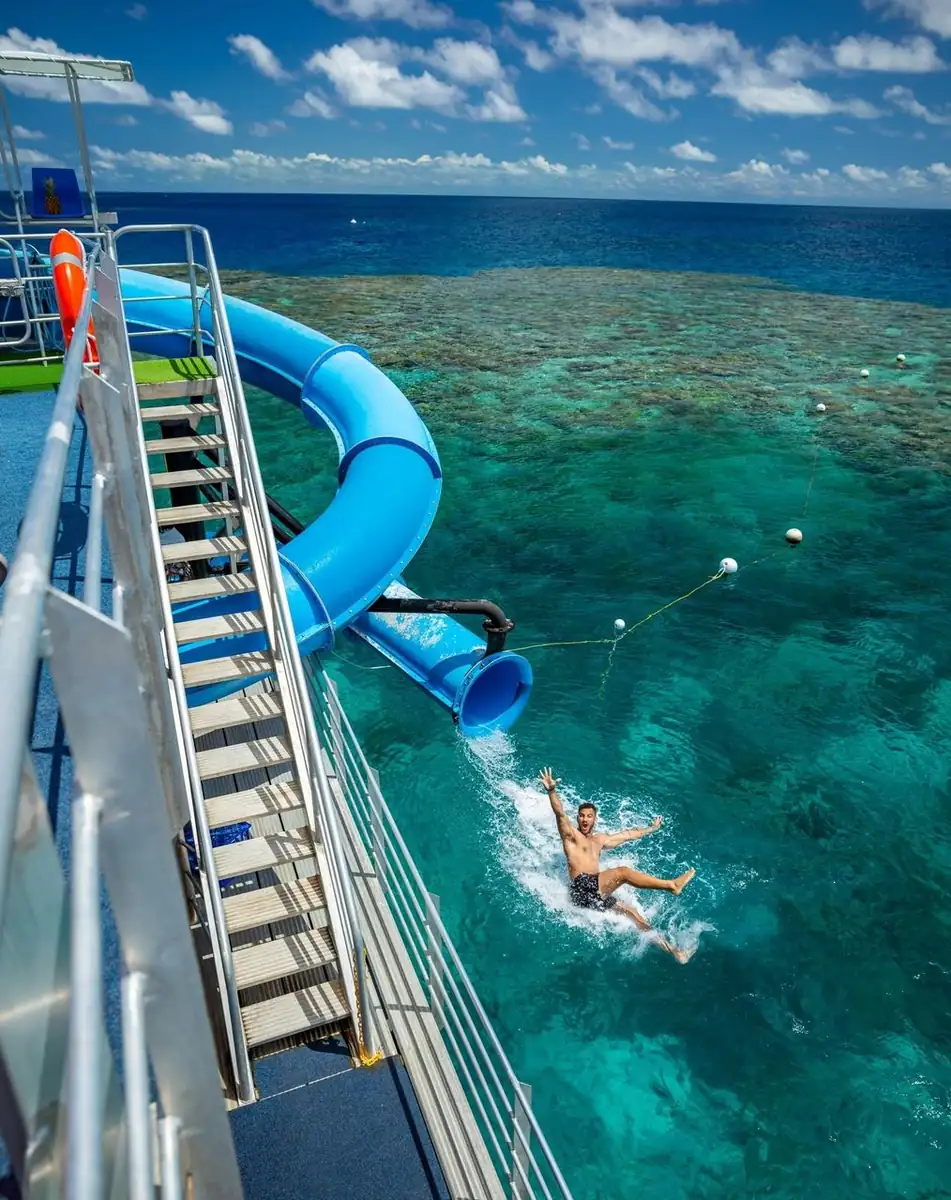
Now let’s talk straight about the cash.
| Experience Type | Typical Cost (AUD) | Water Time | Best Suited For |
|---|---|---|---|
| Single-Day Boat | $220–$350 | 3–4 hours | First-time visitors |
| Two-Night Liveaboard | $650–$1,200+ | 8–10 dives/snorkels | Recreational diving fans |
| Three–Four Nights | $1,200–$2,500+ | 12+ dives | Certified diver travellers |
Yes, overnight options come with a higher upfront cost – but think about it this way. When you do the maths, and factor in that your spend is being spread over actual time in the water, the numbers start to look a lot more reasonable.
If you’re after a certified diver chasing down the likes of Ribbon Reefs or hoping to catch sight of those majestic dwarf minke whales during their June-July migration, overnight trips give you the edge when it comes to access. They’ll get you into places the day boats just can’t.
Now, if what you’re after is just a solid intro to the coral reef – a quick taster, so to speak – then a single day is still going to deliver plenty of value and get you hooked.
Of course, this isn’t some sun-soaked tropical island jet ski tour you’re on here – the reef demands more time and effort if you really want to get its full story.
Marine Life Access: Why Location And Timing Matter
The Great Barrier Reef is basically huge, covering a staggering 344,400 square kilometres. The simple truth is that not all reef sites behave in the same way.
Day boats tend to stick with the tried-and-true, such as Opal Reef or Hastings Reefs. These are healthy, colourful and accessible, just what you want for a first-timer.
Liveaboards, on the other hand, push further out to places like:
- Ribbon Reefs
- Cod Hole
- Osprey Reef in the Coral Sea
Additionally, minke whales and dwarf minke whales migrate between May and July, which can be spotted along the northern reefs. These are special events, and although not guaranteed, staying overnight on a liveaboard increases your chances of seeing them.
And then there are the coral spawning events, which typically occur in November and are linked to the full moon. These are pretty special, but if you want to see them, it really does help to stay overnight – timing is everything here.
Comfort Levels: What To Expect
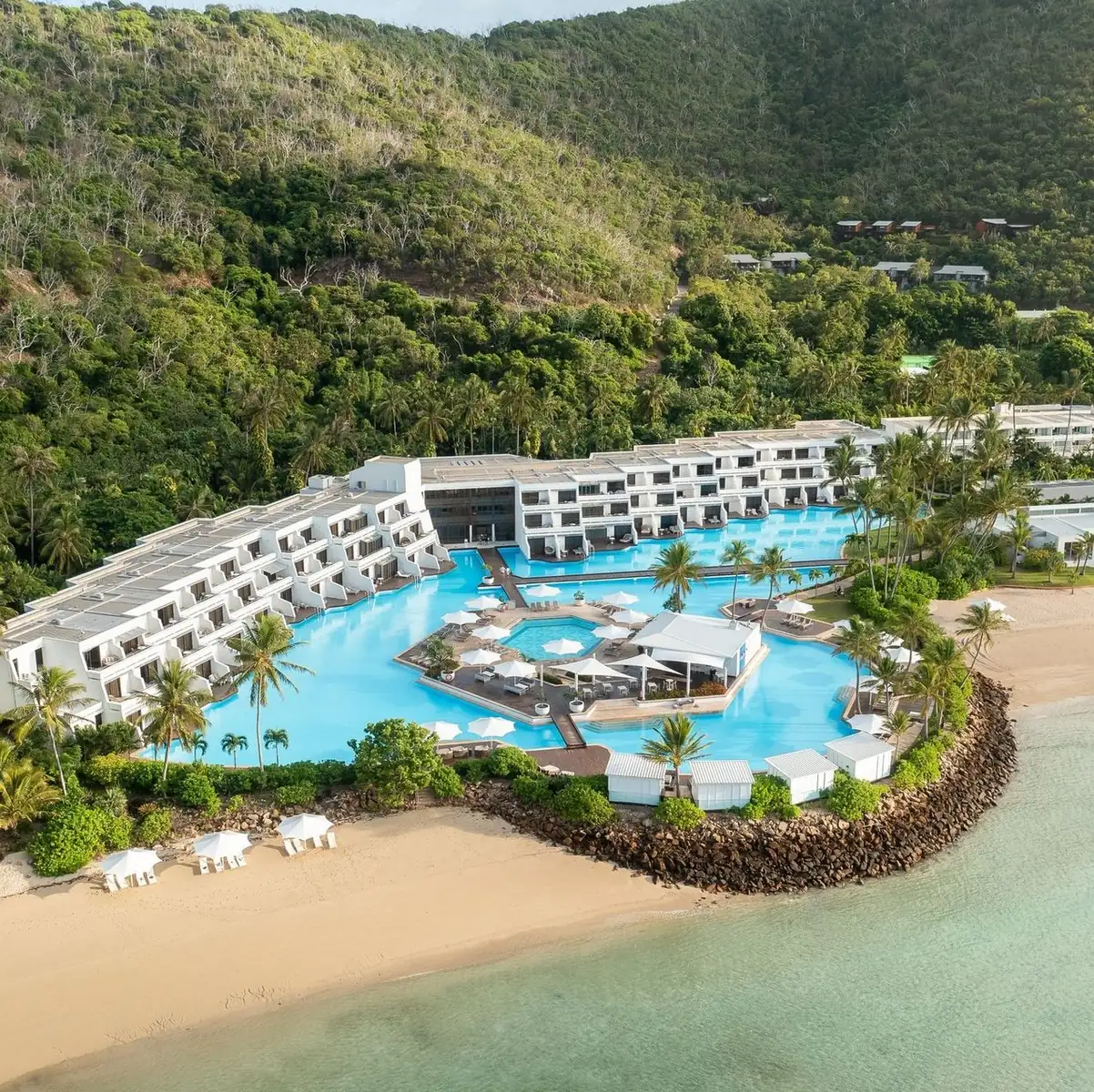
Liveaboards are no luxury resort as you’d find on Hayman Island. The cabins are compact, the showers are short and snappy, and the dive deck is all about routine and discipline.
But that doesn’t mean the food isn’t good – it can be real gourmet on some of the higher-end boats. And you eat communally on the boat, so you talk about the reef all evening.
Now, if you need space, peace, and quiet, you have to be careful. But if you love the shared adventure, then liveaboards are a real blast.
Day boats, on the other hand, are much more spacious and less structured. You’re back on dry land with time to spare for dinner.
Who Does Best On A Day-Trip?
A short reef visit is perfect for those who:
- Are time-poor while in Port Douglas
- Prefer the comforts of a bed on land
- Are diving for the first time
- Want a simple snorkel trip with minimal fuss
It’s a great way to combine a reef trip with a scenic flight over the reef or just some time to explore Green Island.
Who Thrives On A Longer Stay?
An overnight stay is the way to go if:
- You’re a certified diver and want to explore multiple dive sites
- You’re keen to do some night diving
- You want to avoid the crowds
- You’re dead serious about getting up close and personal with the reef’s wildlife
- and want to do it all in a more relaxed and less rushed way
Operators like those promoted through Great Barrier Reef Tours can help match your skill level to the right boat.
Liveaboard trips also offer the ideal setting for dive courses or advanced certification programmes.
Seasonal Conditions To Expect
The dry season from May to October brings out the best of the seas – clearer visibility and calmer waters. Not to mention, it’s peak tourist season in Queensland.
The wet season (November to April) is something entirely different. Expect humidity, the possibility of cyclones and stinger season. Don’t worry, though; operators will provide you with a wetsuit and advise you on reef-safe sunscreen.
It’s worth remembering that sea conditions will always affect your comfort, regardless of the type of trip you book. Seasickness doesn’t care whether you’re on a one-nighter or a longer trip.
Trip Planning – Before You Book
Before you book, ask yourself a few questions:
- Are you okay with sleeping on the boat at sea?
- Are you a certified diver or planning on doing your first scuba dive?
- How many days in a row can you realistically commit to this?
- Is seeing the reef the main event you have planned?
If the reef is the highlight of your trip, you might want to consider a more in-depth, immersive experience. If you’re doing a larger East Coast loop, you may want to keep things a bit more relaxed.
One thing I’ve noticed is that some people compare a reef trip to a sailing holiday in the Whitsunday Islands. But it’s a very different experience. The Whitsundays are all about beaches and getting a view of Hill Inlet. A reef-focused trip, on the other hand, is all about the coral reefs and the dive sites.
Final Thoughts From The Deck
This isn’t about getting caught up in the hype – it’s about choosing between depth and getting it done quickly.
If you want to get a taste of what the reef has to offer in a short amount of time, then a single-day trip is the way to go. But if you have the time and want to really get to know the place, a liveaboard dive trip is the way to go – you’ll get a feel for the rhythm and the repetition of it all.
Both options are valid and memorable in their own way. Just don’t try to rush it – the reef is older than most of the landscapes you’ve seen, and it deserves a bit more than just a quick glance.
If you’re looking for help navigating the operators, timing, or matching your budget to the right trip, I’m always happy to point you in the right direction.
FAQ
Is Staying Overnight Better If You’re A Serious Scuba Diver?
Yeah, overnight is definitely the way to go for serious scuba divers. You get to see more dive sites, you get to do night dives, and you even get to head a bit further north towards the Ribbon Reefs.
Are Minke Whale Encounters Guaranteed?
No, they’re not guaranteed. The seasonal windows do give you a bit of an edge, but wildlife is always unpredictable.
Can Non-Divers Enjoy A Long Weekend On The Reef?
Of course they can. Snorkelling sessions are pretty frequent and varied. Please ensure the operator caters to snorkellers as well.
Is It Worth The Extra Money?
If marine life and getting up close and personal with the reef are what matter to you, then yes, it’s worth it. But if you’re a bit short on time and just want to dip your toes in, then a shorter trip is probably the way to go.
Is It Suitable For Families?
Day trips are probably easiest for families. Overnight trips are more suited to families with confident swimmers and older kids.