
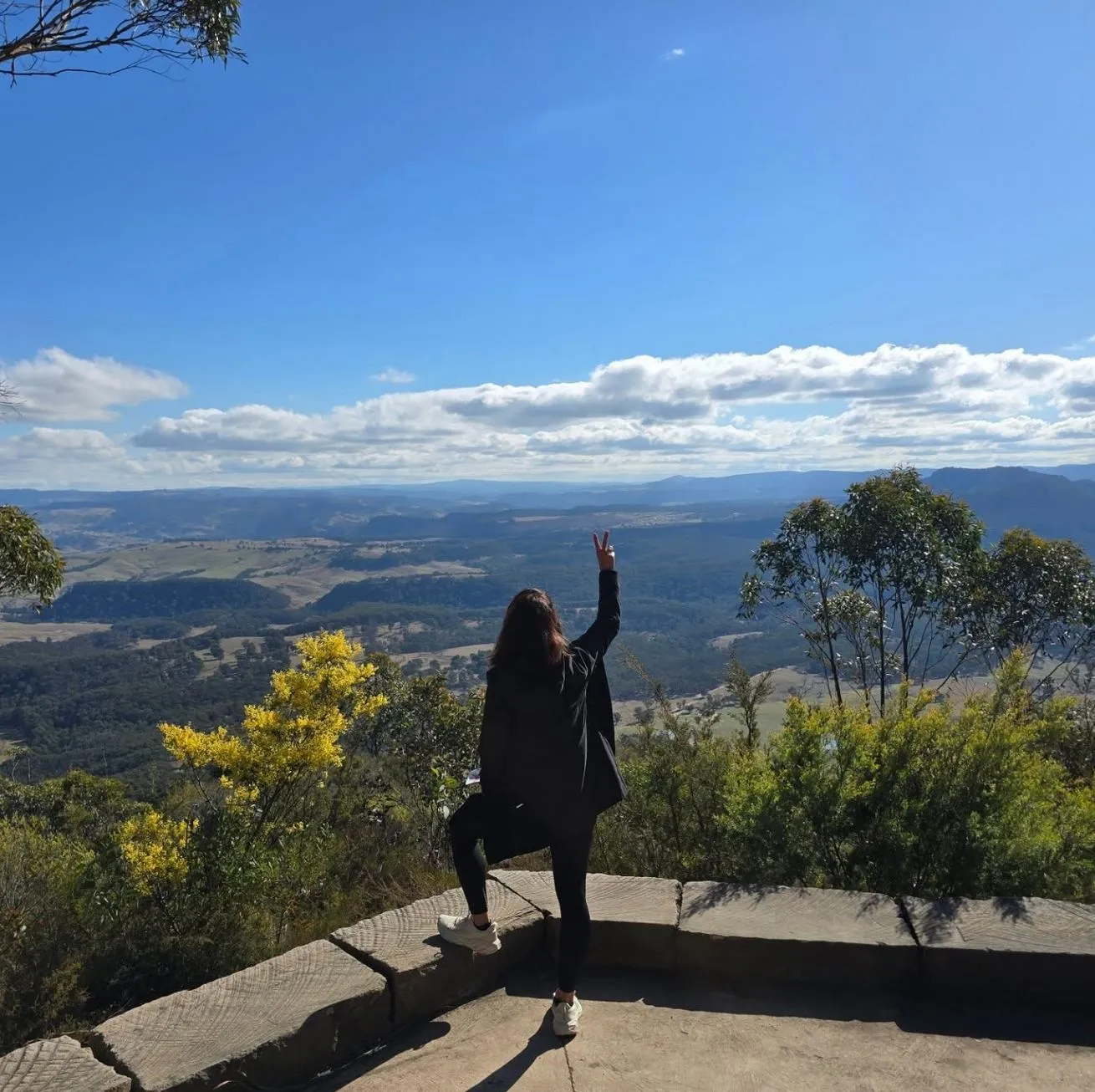
Hello, I’m Paul Beames, and in this post, I’m going to share with you the 10 common mistakes that first-time visitors to the Blue Mountains make. Hopefully, by knowing what to watch out for, you can avoid those awkward moments and actually get to enjoy this beautiful region without any “oops” moments.
1. Underestimating Travel Time
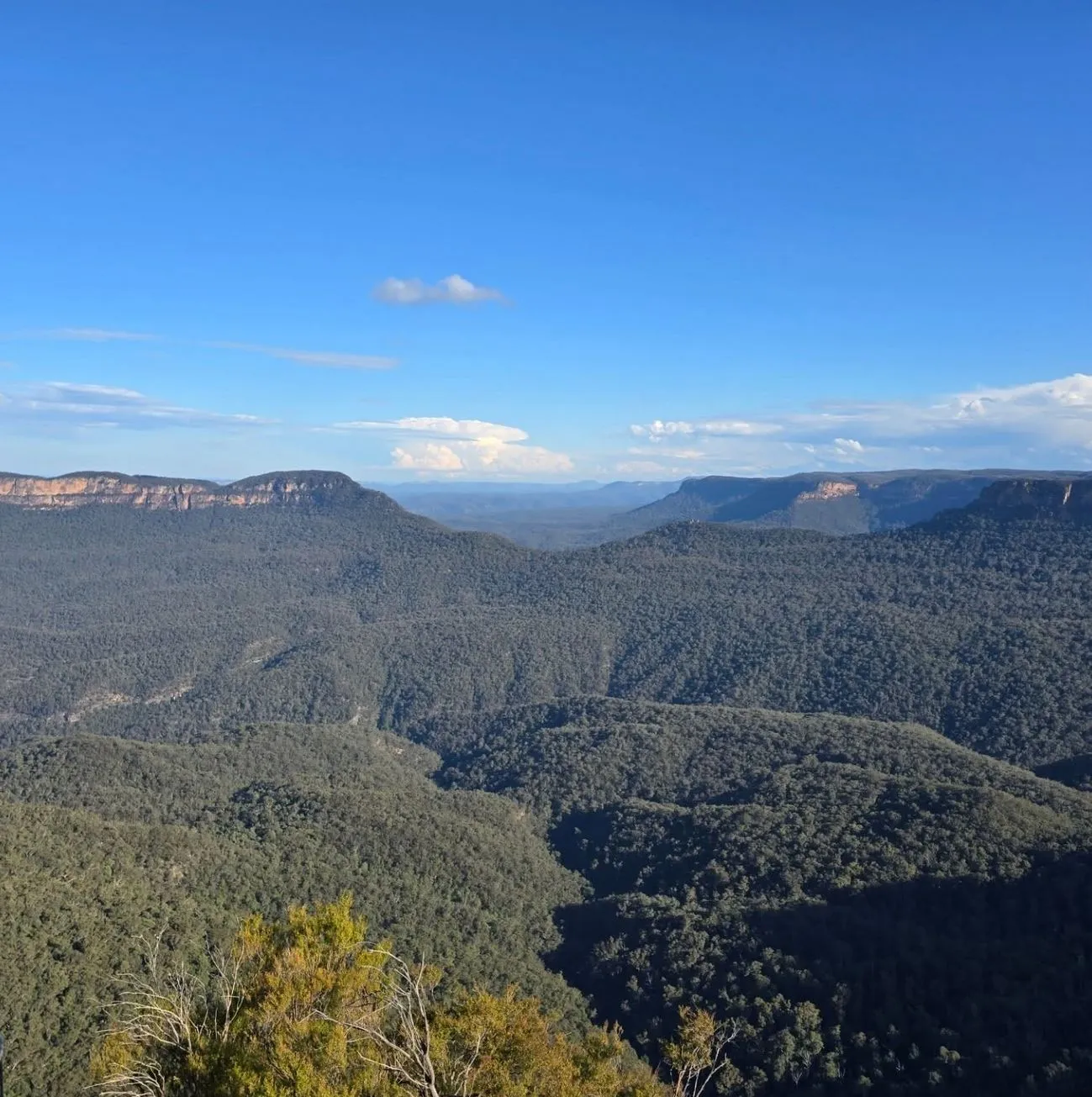
I know what you’re thinking – the Blue Mountains are just a short drive from Sydney, right? But let me tell you, traffic, winding roads and the scenic views along the way are going to slow you down way more than you think. What was meant to be a 45-minute trip can easily turn into a couple of hours. So, take a deep breath and plan to arrive early, or better still, treat the journey itself as part of the experience.
Why is this a problem
The main route in from Sydney, via the Great Western Highway, is a total nightmare during peak times – especially getting past Penrith and Lapstone.\ And if you time it wrong, you can arrive just as the sun is setting or when the lookouts are already mobbed.
Tip from me
Get yourself signed up to some live traffic updates and allow at least an extra hour on top of what your satnav says – or ask a travel agent to help you plan the perfect route. We’ve even built in flexible stops to our Blue Mountains Tours so you can take your time.
2. Rushing the Itinerary
I’ve lost count of how many people try to cram too much into one day. Newsflash: this just doesn’t work in the Blue Mountains. To get the most out of this place, you really need to slow down and take it easy. If you’re just racing from one lookout to the next, you are going to miss out on so many of the quieter spots that are just as beautiful.
Benefits of doing it the slow way
For a start, you’ll have time to wander through the bush, grab a coffee in Leura, or even stop for a bite to eat at a local café. And let’s be honest, the less stressed you are, the more likely you are to remember the trip and have a good time.
Quick checklist
- One major viewpoint mid-morning (but don’t rush, take a moment to soak it in)
- Get yourself on one of the bush walks in the early afternoon
- Relax or have dinner in town
- Finish off with a sunset view or take a night stroll
Our Blue Mountains Tours are designed to get the perfect balance between sightseeing and downtime, so you can avoid the “tick it all off” approach and actually enjoy yourself.
3. Ignoring Weather & Micro-Climates
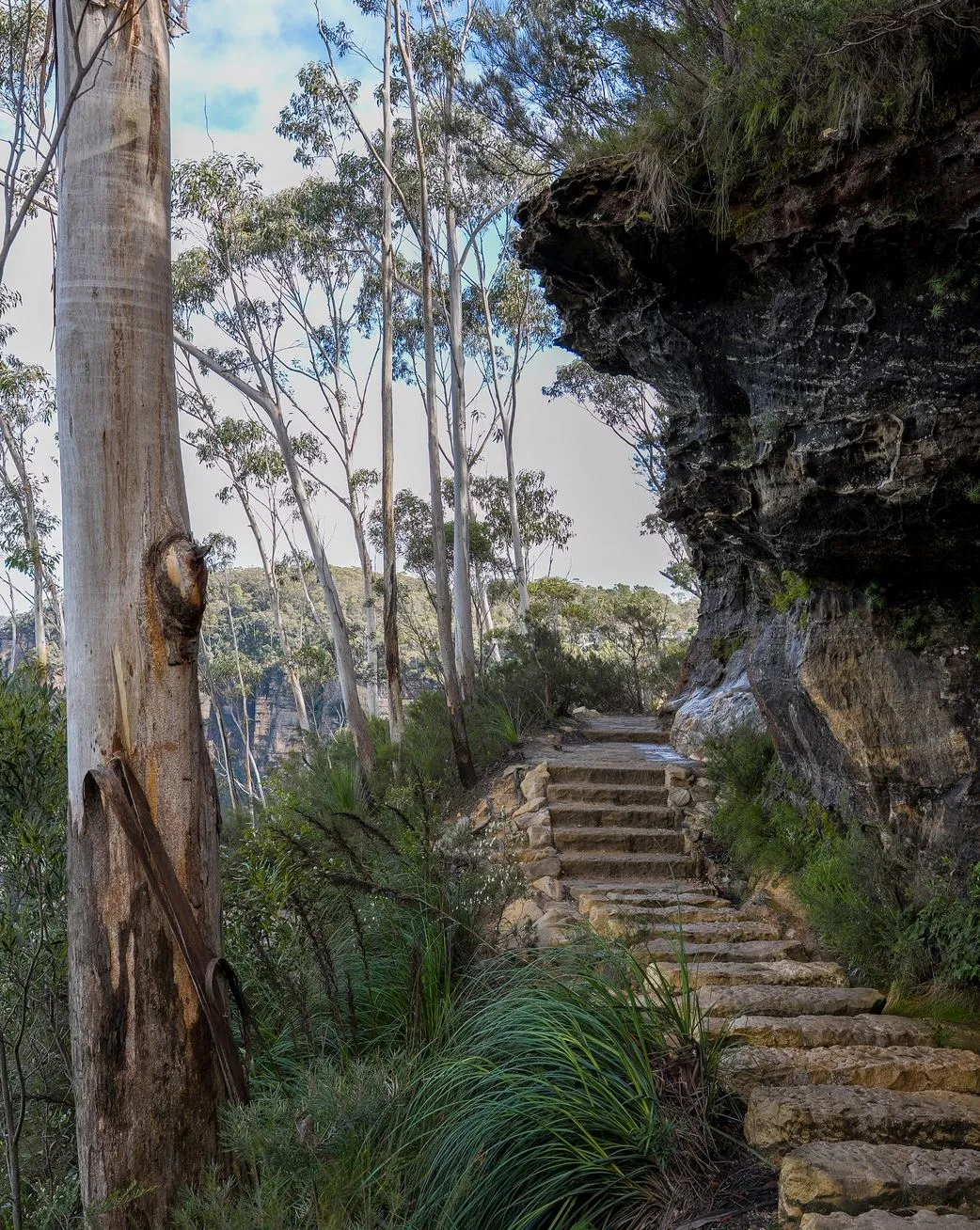
The Blue Mountains can have a whole different weather from Sydney. Misty mornings, rain-soaked tracks or cold nights on the plateau are all common. According to the region’s profile, the summer average max at Katoomba (1,010m) is around 22°C, but 30-degree days do occur.
Common weather traps
- Arriving midday in summer and finding the ridge is grey and damp.
- Packing summer gear and then spending an evening under a thin jacket.
- Not checking track closures after heavy rain or bushfire risk.
Tip
Pack layers and a waterproof jacket. If you’re hiking solo, proper gear is essential — including navigation tools and a water filter if you’re out for long walks. Blue Mountains Tour guides often tell guests to bring spare clothes due to the unpredictable weather.
4. Not Booking Accommodation Early
If you’re planning to stay overnight, especially on a weekend or during school holidays, you’ll regret leaving booking to the last minute. The region gets 0.7 million domestic visitors in the June quarter of 2025 alone.
| Type of Traveller | Booking Tip |
|---|---|
| Day-tripper | Arrive early for free parking near key lookouts |
| Overnight visitor | Book lodging at least 4–6 weeks out for busy seasons |
| Bushwalk overnight | Confirm track access, camping permit if required |
Booking early gets you not only the room but also a better location, a better rate, and less stress on arrival. Travel insurance can also cover cancellations or sudden weather disruptions. Blue Mountains Tours often include hotel pickups or transfers, so you don’t have to worry about logistics.
5. Overlooking Aboriginal Cultural Significance
The Blue Mountains are on Dharug and Gundungurra Country. Skipping this part is more than a missed opportunity—it’s a mistake.
How to do it respectfully
- Look for Indigenous-led tours or cultural experiences through a local travel agent.
- Stay on designated tracks and avoid restricted areas.
- Learn local Dreaming stories; they often explain the landscape.
Being culturally aware makes you a better traveller—something the best travel influencers do. Blue Mountains Tour guides often weave these stories into their commentary so you can better understand the Country.
6. Thinking All Bushwalks Are Safe By Default
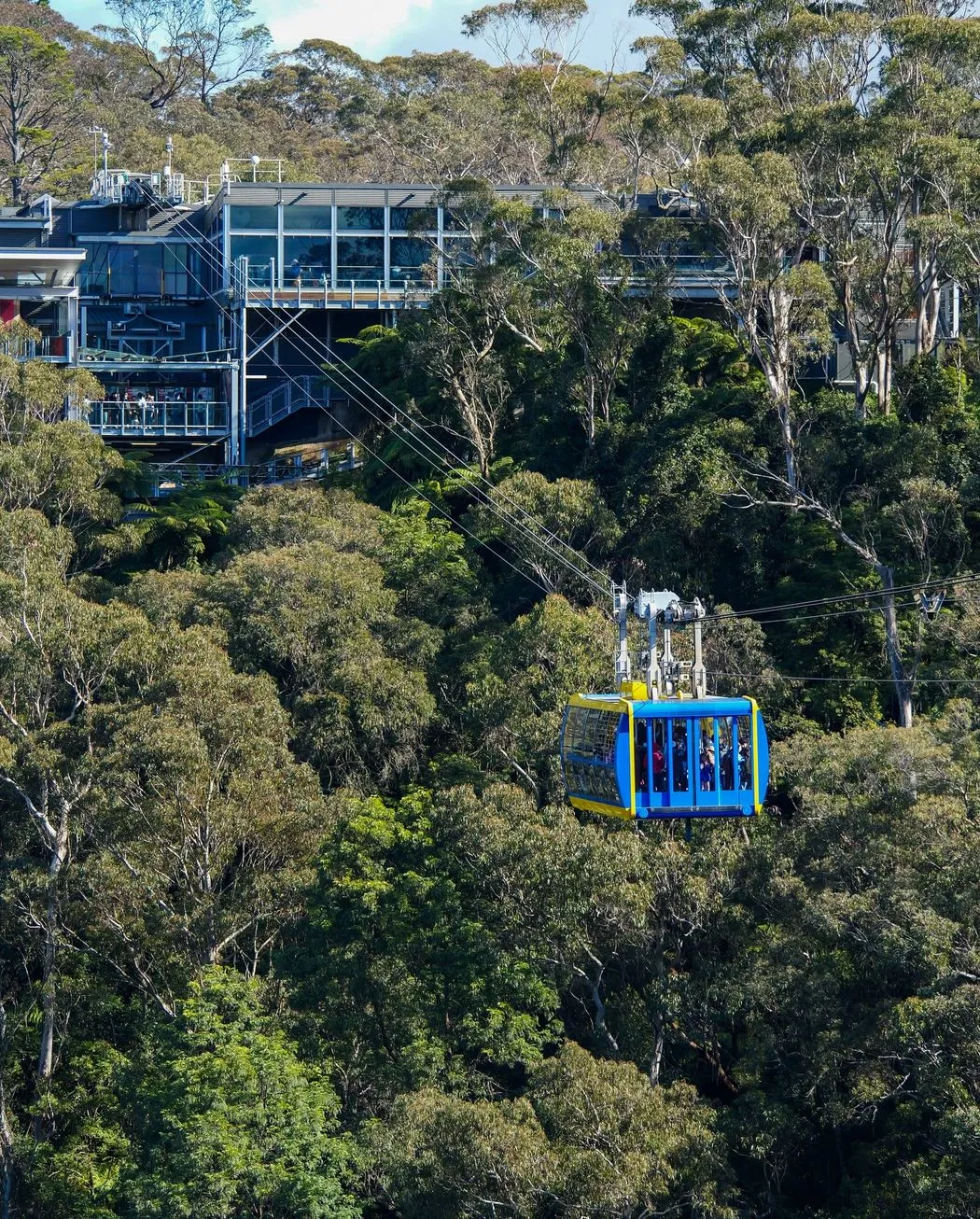
Because you’re “just walking”, many visitors assume all tracks are low-risk. But steep cliffs, loose rock, changing weather and track closures are very real.
Key precautions
- Tell someone your walk plan and expected return time.
- Check trail etiquette rules and grade signs before you head off.
- Carry water, a map, offline navigation tools and first-aid basics.
- Wear proper hiking footwear — trainers or thongs won’t cut it.
- If you’re solo travelling, leave more details with your accommodation or a local visitor centre.
Blue Mountains Tours with guided bushwalks can give you extra peace of mind. Always verify track closures and conditions before you set out.
7. Overpacking vs Under-preparing
Visitors to the area swing wildly between stuffing all the gear in the car and turning up with absolutely nothing. Here’s a practical kit list that strikes a happy medium.
A Smarter Packing List
- Get a water bottle in – 1 L per person at the very least
- If you’re planning a longish hike or trek, a water filter is a good idea
- You’ll be glad of a light rain jacket or windbreaker at some point
- Good walking shoes are essential, really
- Sun protection is a must – don’t get caught out in the open fields with nothing to protect you
- Consider the basics like snacks or a packed lunch, or just try out some of the great local street food in the towns
- Your phone will probably run out of battery at some point, so chuck in a mobile charger and a torch while you’re at it
Having this array of essentials will keep you comfortable and self-sufficient if the weather turns or you need a bit of a detour to the loo. We often provide our own packing checklists to help make sure you’re all set for the adventure.
8. Don’t Be So Fixated on the Famous Spots
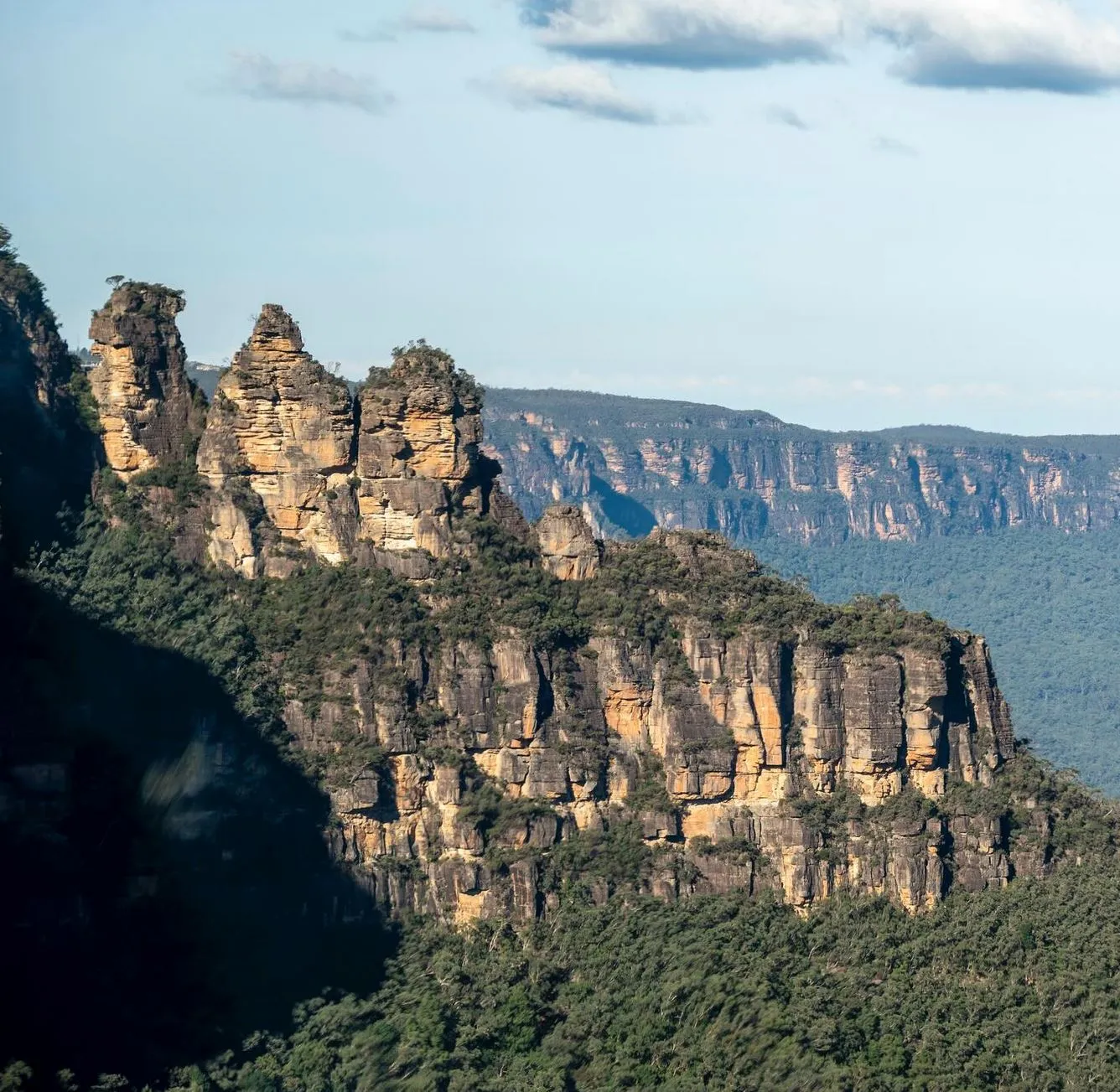
Yes, yes, yes – the Three Sisters are famous the world over, but if you stick to just that one place, you’re basically missing out on the real story of the area – the small bakeries, far quieter valleys and backroads just begging to be discovered.
Take it Beyond the Tourist Maps
- The Grand Cliff Top Walk is a two-day hike that connects the key towns of the area – well worth a go
- Govetts Leap in Blackheath has some of the most serious vistas around, and the crowds are nowhere to be seen
- Wine tastings at the cool-climate vineyards in Mount Tomah are a real treat
Wandering about beyond the main tourist areas will give you much better views, less traffic and some real character in your encounters with locals. We often steer visitors away from the beaten path and show them some of the local secrets and hidden gems that most people miss.
9. Check the Rules and Seasonal Flows
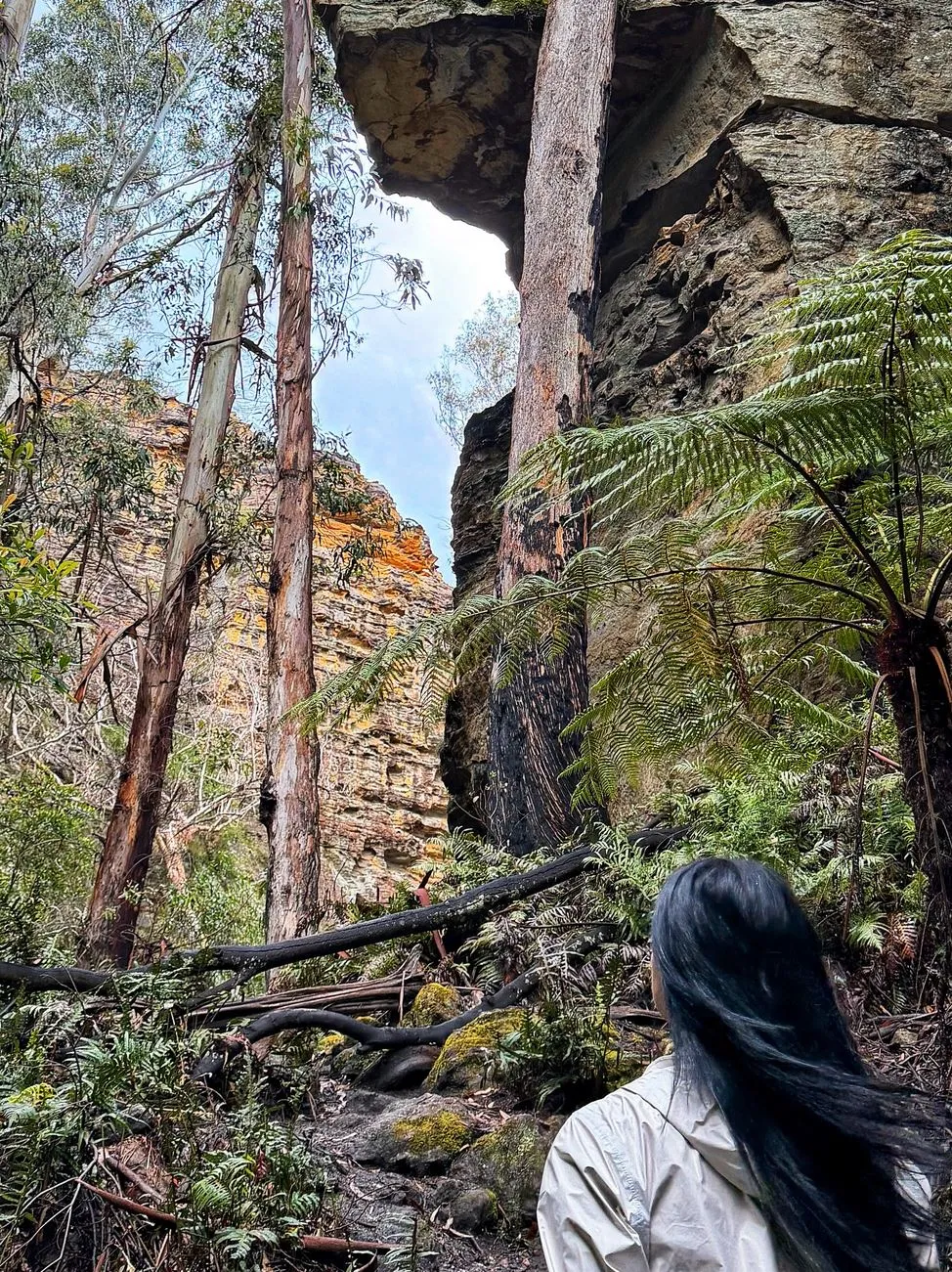
Before you hit the trail, make sure you’ve got the latest lowdown on any entry rules for NSW National Parks. Some trails and campsites are permit only, and others are closed due to bushfire risk.
Before You Leave
- Always carry some form of identification if you’re travelling from overseas – visa on arrival policies can vary wildly depending on your nationality
- Get some travel insurance that covers the sorts of things you’re planning to do on this trip
- Keep an eye on the weather forecast – high-risk days like fire bans, floods or icy mornings can ruin the best laid plans at the last minute
A bit of homework beforehand can save a heap of stress and trouble down the line. We often give our customers a heads up on any closures or safety alerts so they can plan their trip accordingly.
10. The Importance of Respecting Nature
The Blue Mountains have been kept alive by the care and dedication of people for thousands of years. Don’t undo all that hard work in the space of a single weekend.
A Guide to Leaving No Trace
- Make sure to take all your trash with you.
- Stick to the tracks – it’s a lot easier on both you and the environment.
- Don’t go feeding the wildlife – it’s just not a good idea.
- Respect any fire bans in place.
Good travellers really do make a difference – and if you’re lucky, you might even get to see the southern skies light up with a faint glow, reminiscent of the aurora borealis or southern lights (the aurora australis). It’s not all that common, but it does happen! Blue Mountains Tours occasionally runs night-sky excursions for people who want to get a glimpse of the stars in a responsible way.
What To Remember – And What To Do Next
Avoiding these 10 common mistakes in the Blue Mountains will save you a lot of stress and make the most of your trip. Whether you’re here on your own, food and wine, or a serious bushwalk, doing a bit of planning upfront can really pay off. Get the right insurance for your trip, make sure you’ve got a waterproof jacket, check out the local rules for entry, and if you want help planning your visit, maybe look into talking to a travel agent. Then go and see why the Blue Mountains are so magical – even without the northern lights, they have plenty to offer. Blue Mountains Tours can make a huge difference to your trip, helping to iron out any wrinkles and giving you a richer experience.
FAQ
Do I need travel insurance for a trip to the Blue Mountains?
You don’t need it, but it’s a really good idea to get it – it’ll cover you if you need to cancel, get hurt, or if things get lost or stolen. Blue Mountains Tour packages often include insurance.
Is solo travel safe in the Blue Mountains?
Yes, it is – just as long as you stick to the marked tracks, let someone know where you’re headed, and follow the usual trail etiquette rules. One thing to avoid is night hiking unless you’ve got plenty of experience.
Can I find good local food in the area?
You bet. Katoomba and Leura have some great local bakeries, cafes and seasonal street food stalls that pop up during festivals. Many Blue Mountains Tours include food stops at local favourites.
What gear should I get for bushwalking?
A good pair of boots, a waterproof jacket, and some decent navigation tools would be a good start. A water filter can be really useful for longer treks.
Are there any entry restrictions for parks or trails?
Yeah – you should check out the NSW National Parks website to see if there are any access restrictions, permits or closures before your trip. Many of the Blue Mountains Tour guides also do a good job of keeping everyone informed about any last-minute changes.