
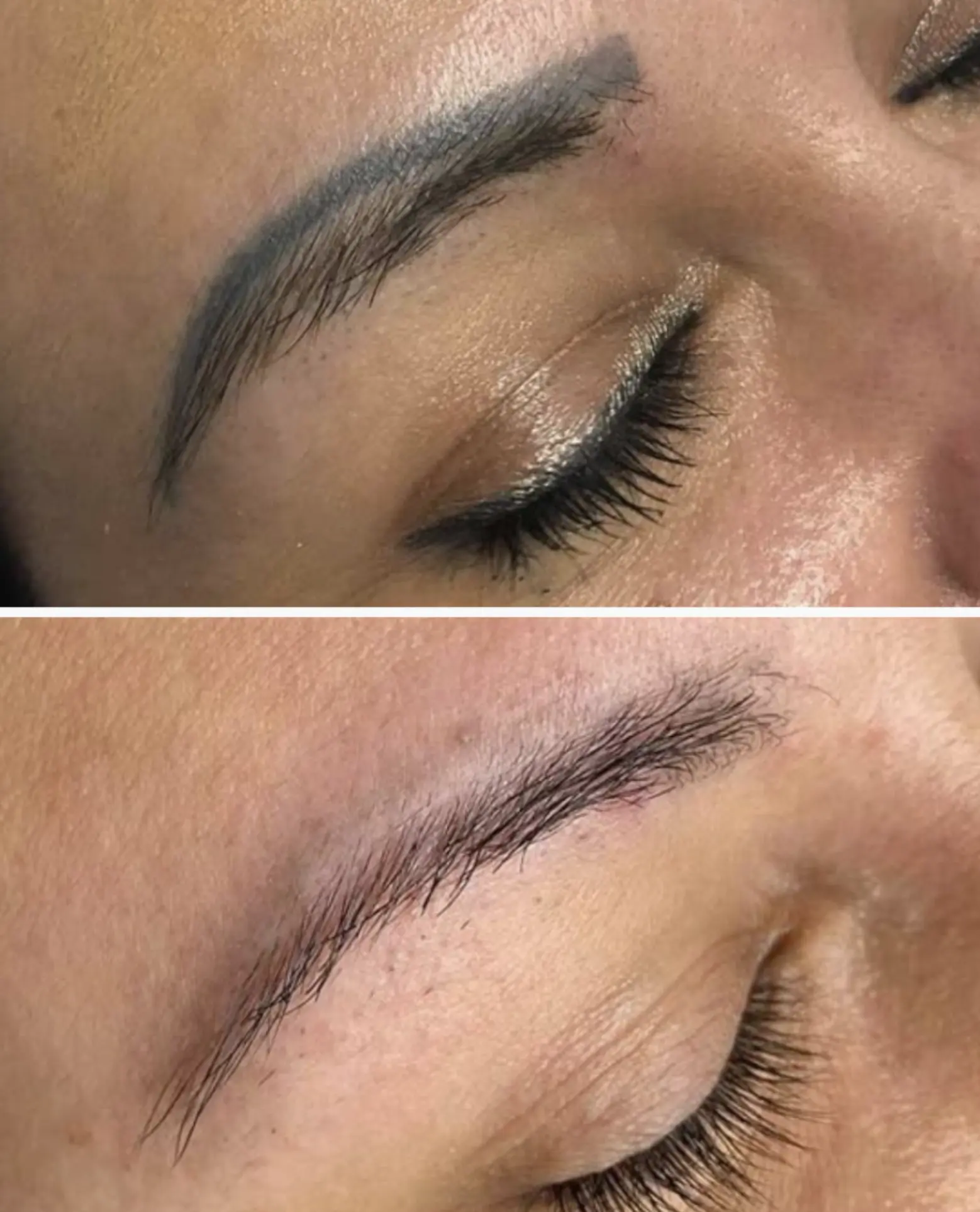
“Can A Tattoo Be Removed 100%?” — it’s one of the most common questions I get in my Melbourne studio. Whether it’s an old body piece or an over-saturated tattoo, tattoo removal is often about refinement rather than regret.
As a licensed tattoo and cosmetic pigment specialist, I’ve seen hundreds of clients wanting a fresh start. The honest answer? Full removal is possible in some cases — but not for everyone. Your skin type, tattoo ink, laser technology, and even your immune system all play a part.
Why Full Removal Isn’t Always Possible
Each tattoo has its own story, and so does its removal. Full clearance depends on ink colours, tattoo size, tattoo age, and where it sits in the layers of skin.
Dark inks (like black and navy) absorb laser light best and often fade beautifully, while lighter colours like yellow or white are notoriously hard to remove. Pigments used in cosmetic tattoos— especially those containing iron oxide — can react unpredictably under heat, sometimes darkening before they lighten.
The deeper the ink particles, the harder they are to reach. Add to that how your immune system processes pigment debris, and no two results are the same. So yes, “100% removal” is possible — but it’s rare.
How Removal Works
The science of laser tattoo removal is cool. Modern laser systems like Q-switched pulses and picosecond lasers deliver concentrated energy that shatters ink particles into tiny pieces.
Your immune system then takes over and gradually flushes those pieces away through the lymphatic network. Each laser treatment works at specific wavelengths to target different colour pigments, so maximum effect with minimal damage to surrounding skin.
| Laser Type | Best For | Wavelengths | Effectiveness | Pros | Cons |
|---|---|---|---|---|---|
| Q-Switched Nd: YAG | Black, blue, red inks | 1064 nm, 532 nm | 70–90% | Proven, safe, reliable | More sessions needed |
| PicoSure / Picosecond Laser | Multicolour tattoos, cosmetic pigments | 755 nm, 532 nm | 80–95% | Faster recovery, fewer treatments | Higher cost |
| Ruby Laser | Green, blue pigments | 694 nm | 60–80% | Precise colour targeting | Can cause temporary whitening |
| Alexandrite Laser | Blue, green inks | 755 nm | 70–85% | Effective for mid-tone inks | May cause pigment rebound |
Modern laser therapy like this is TGA approved, and when performed by a qualified medical professional, it’s one of the safest and most effective ways to fade over time.
Non-Laser Options
Laser is ideal for body art, saline solutions work well for small areas and cosmetic tattoos like brows, lips and eyeliner.
This gentle process uses a saline solution that draws pigment to the surface through osmosis, a process called pigment extraction. It’s slower but safer for delicate facial skin.
At Cosmetic Tattoo Melbourne, I often combine both approaches: saline removal to lift surface colour and laser removal for deeper pigment layers.
Ink Colours, Depth, And Skin Tone
Not all tattoo ink colours are created equal. Darker pigments absorb laser energy well, while lighter colours like pastels and whites reflect it, making complete removal harder.
The ink depth and body area matter too. Tattoos on areas with better blood flow — like shoulders or arms — fade faster than those on ankles or lower backs.
Your skin tone also determines settings and recovery. Using the Fitzpatrick Skin Type Scale, we assess how much melanin your skin produces. Darker skin tones require lower laser fluence to avoid skin discolouration or post-inflammatory pigmentation.
Pigment Reactions And Colour Shifts
During laser treatments, pigments change chemically. Iron oxide and titanium dioxide (common in cosmetic tattoo inks) can oxidise and turn grey or black temporarily.
That’s why patch-testing is essential. A single test pulse will predict how your pigment will react before full-area treatment.
When darkening occurs, we can neutralise it over subsequent sessions or use saline pigment extraction to safely lift the affected layer.
Melbourne’s Climate And Skin Considerations
Melbourne’s weather — humid one week, dry the next — affects healing. After the laser, the treated area is highly photosensitive. If you expose it to strong sun, especially on UV-damaged skin, you will get skin discolouration or uneven fading.
I recommend laser removal in autumn or winter when UV levels are lower. Using SPF 30+ and following proper post-laser UV-damaged care (cool compress, ice pack, fragrance-free balms) speeds up healing and reduces inflammation.
Myths That Need To Go
Let’s bust a few common myths I hear weekly in Melbourne consultations:
Myth 1: “Laser Removal Works Instantly”
False. Laser triggers gradual natural fading — not instant erasure. You will see visible results after 2 or 3 sessions.
Myth 2: “All Ink Colours React The Same”
Every colour pigment has a unique absorption wavelength. That’s why green or yellow inks require specific laser systems like Alexandrite or PicoSure.
Myth 3: “Laser Removal Damages Skin Permanently”
When done correctly, the healing process leaves skin smooth and intact. Any textural change usually comes from poor aftercare, sun exposure or unqualified operators.
Myth 4: “Cheap Clinics Give The Same Results”
Budget package deals often use underpowered machines or poorly trained staff. Always choose licensed professionals with modern laser technology and sterile conditions.
Real Client Experiences In The Studio
At Cosmetic Tattoo Melbourne, we’ve seen amazing results:
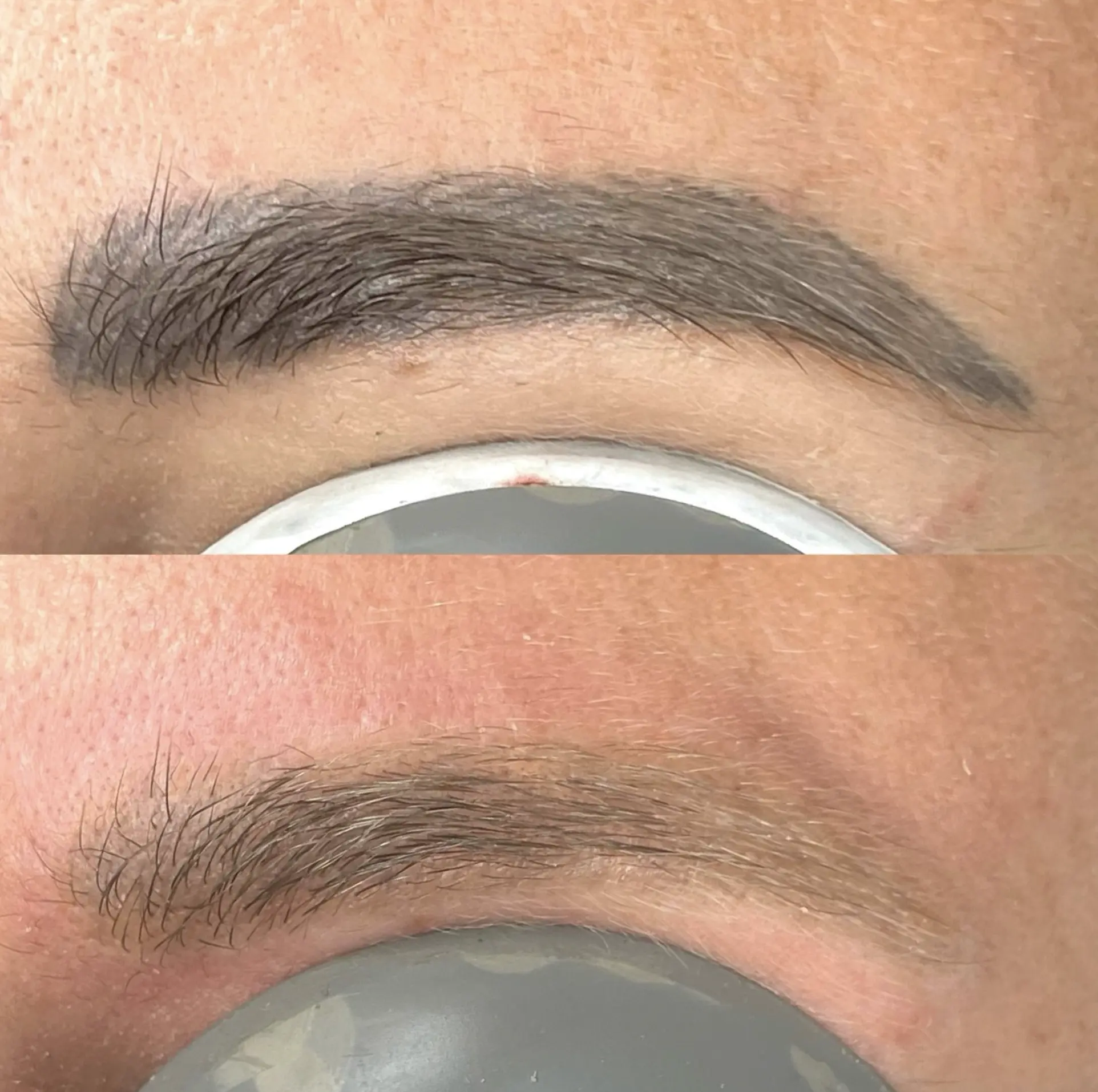
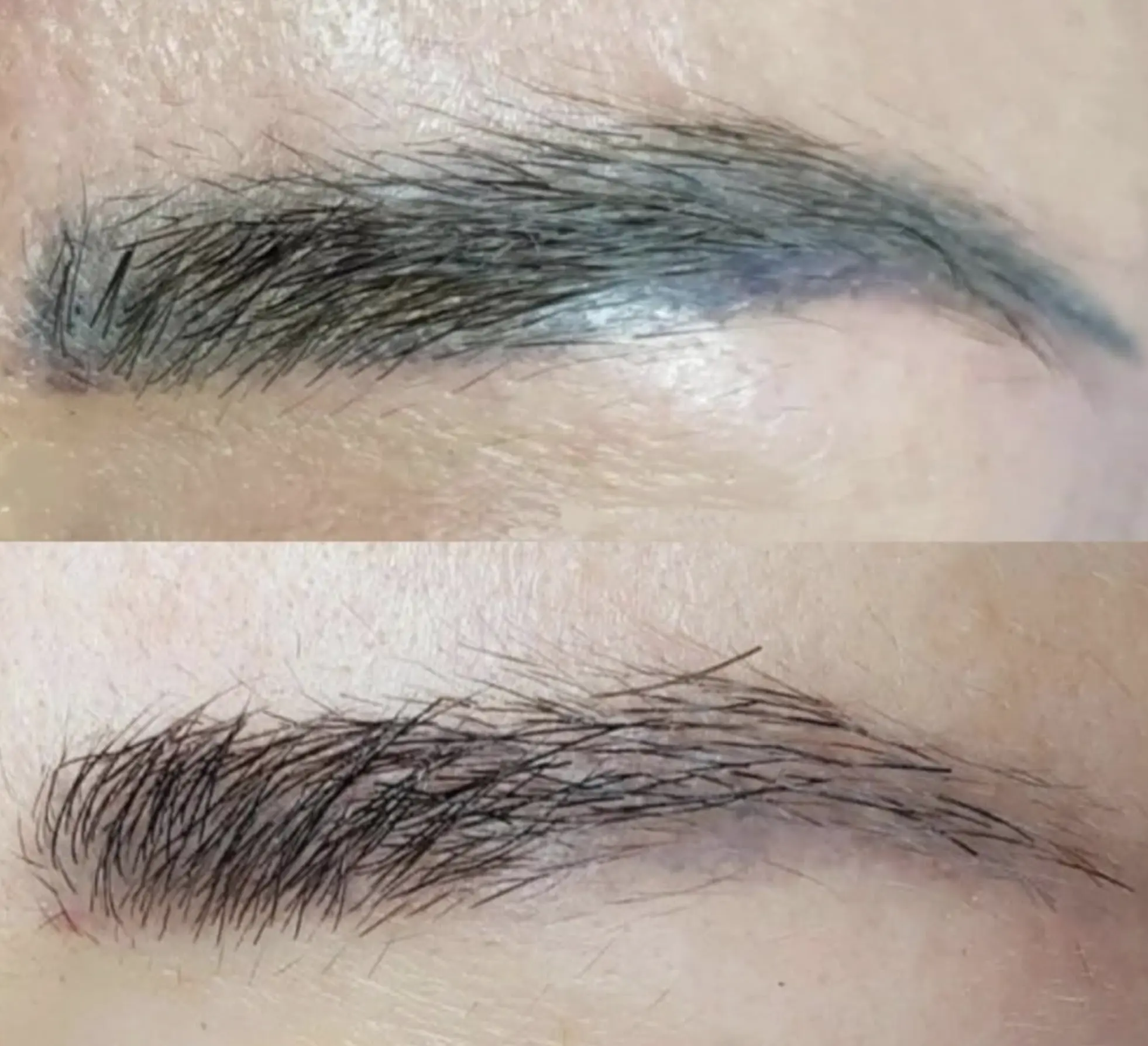
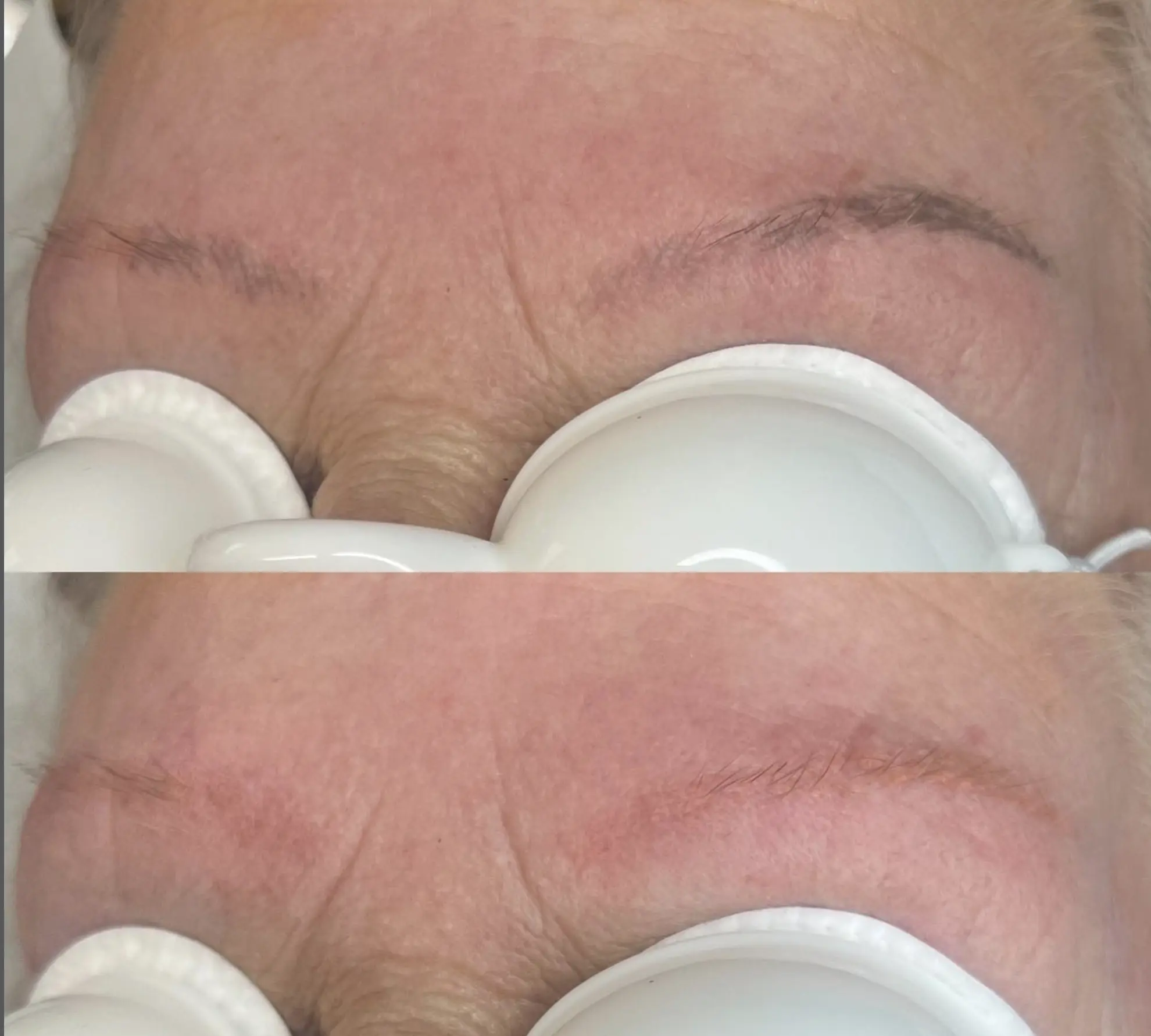
- A client with old microbladed brows got 85% fading after 4 saline removal sessions.
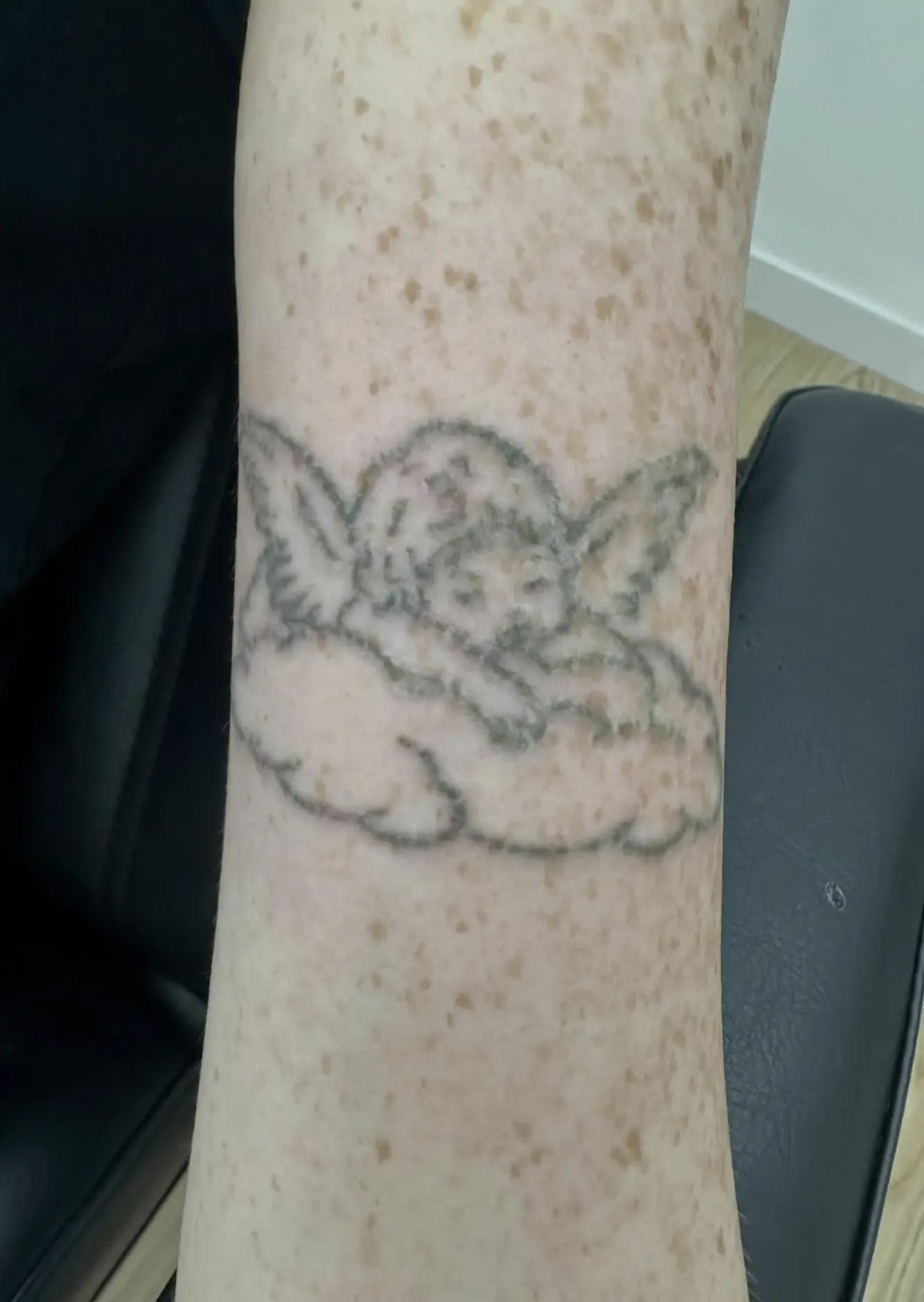
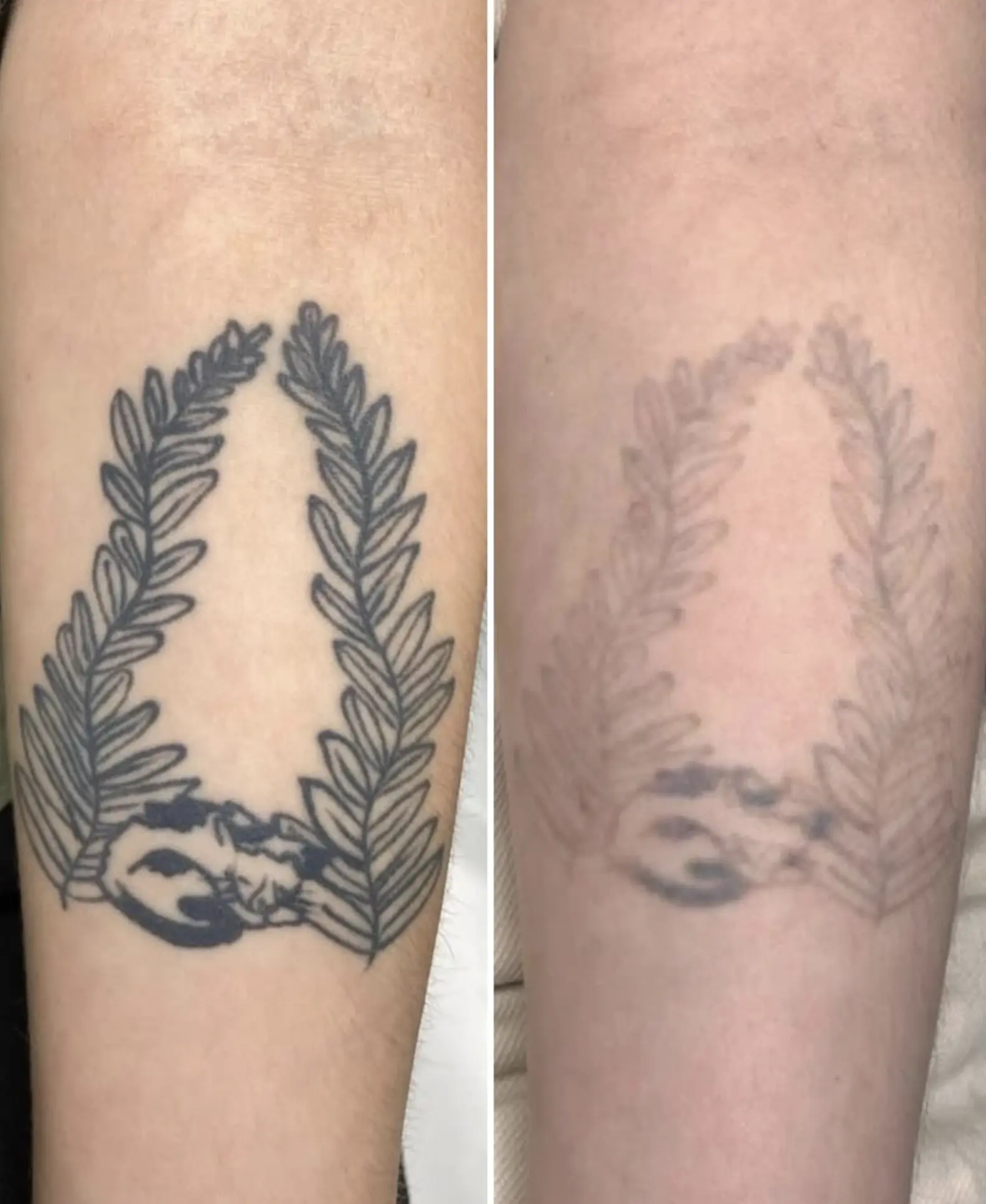
- Another with an 8-year-old, ankle tattoo got incomplete removal, leaving only faint remnants visible.
- Our average success rate for professional laser tattoo removal is 80-90% depending on pigment and ink depth.
Each skin and pigment combo tells its own story — which is why no “guarantee” of complete clearance is ever responsible or realistic.
FAQ
How Many Sessions Will I Need For Full Tattoo Removal?
Most tattoos need 6-12 sessions for substantial fading. Cosmetic tattoos often lighten in 3-5 saline treatments.
Does Laser Tattoo Removal Hurt?
Feels like quick snaps on the skin. Most clients tolerate it well, especially with numbing and cooling devices.
Can All Tattoo Ink Colours Be Removed?
No — dark inks fade best, lighter colours like yellow and white are resistant and may need more advanced laser systems.
Are There Any Scars?
Minor if done properly. Main risks come from poor aftercare, sun exposure or unqualified operators.
Best Time For Tattoo Removal In Melbourne?
Start in cooler months to reduce sun exposure and support faster recovery through the healing process.