
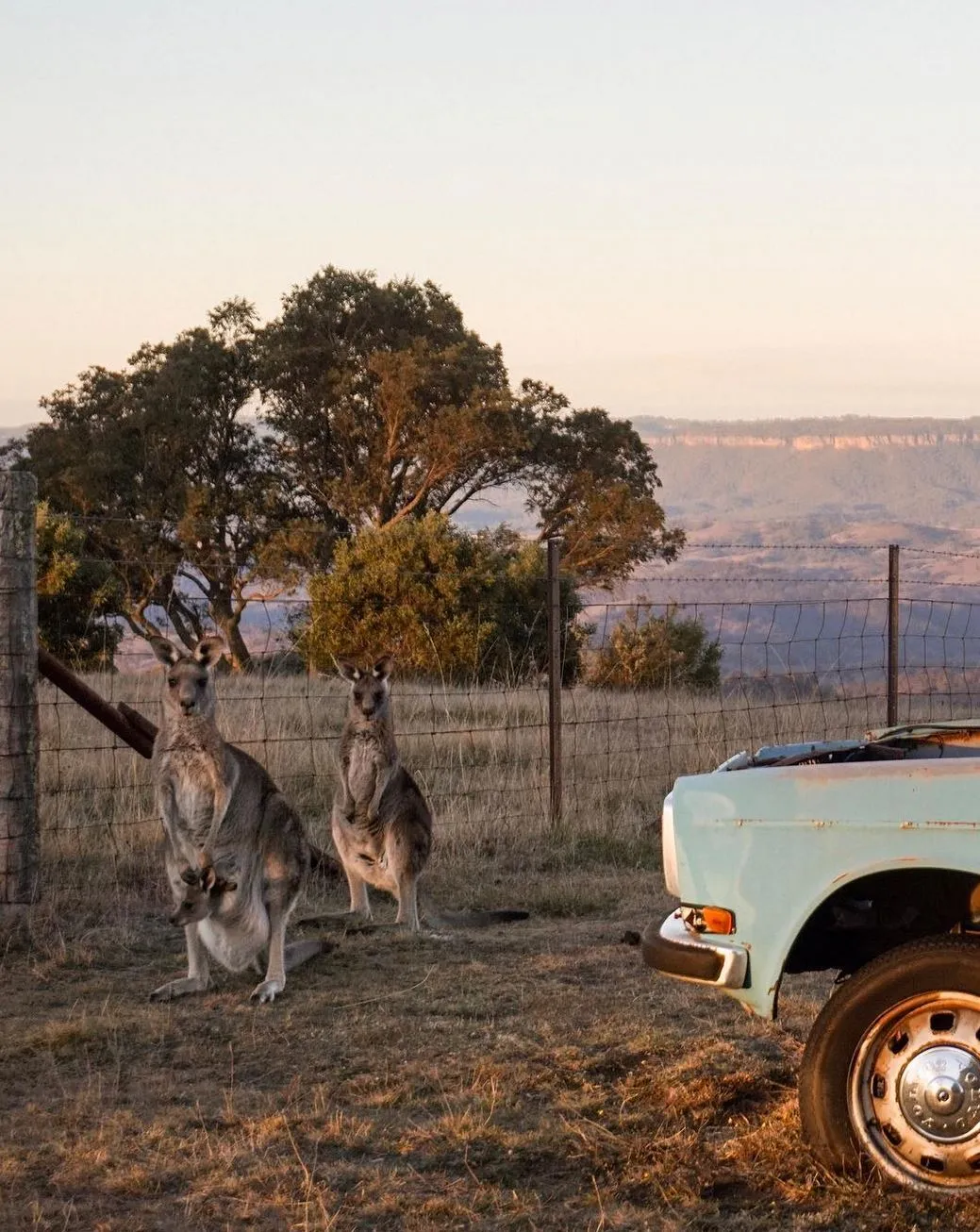
So you’re heading west from Sydney, and the first question is — Will I see Kangaroos or Other Wildlife on a Day Trip to the Blue Mountains? Short answer: yes, but it’s not a zoo out there. The Blue Mountains are wild, rugged and full of creatures that prefer their own space — which makes every sighting that much sweeter. I’m Paul Beames, and after years of leading groups through those misty valleys and sun-baked lookouts on a Blue Mountains Tour, I can tell you — keep your eyes open, because the bush always rewards patience.
Getting Your Bearings in the Bush
The Blue Mountains cover more than 1 million hectares — roughly the size of Jamaica — so knowing where to look matters. West of Penrith, past Katoomba and Blackheath, the region is a mix of eucalyptus trees, sandstone escarpments and deep gorges. Wildlife density changes with altitude, vegetation and season.
Early morning and late afternoon are the best times for wildlife watching — the “golden hours” when roos, wallabies and birds are most active. Midday is quiet, especially in summer when it’s hot enough to fry an egg on the bonnet.
If you’re short on time, a 1 Day Blue Mountains Tour is perfect for covering the highlights — think Echo Point, Scenic World and a few quieter bush tracks for spotting wallabies or cockatoos in the wild.
What You’ll See
You won’t have to trek for hours to find life out here — even short walks near Echo Point or the Wentworth Falls tracks can reveal plenty of bush residents.
| Animal | Where You’ll Likely See It | Behaviour Tips |
|---|---|---|
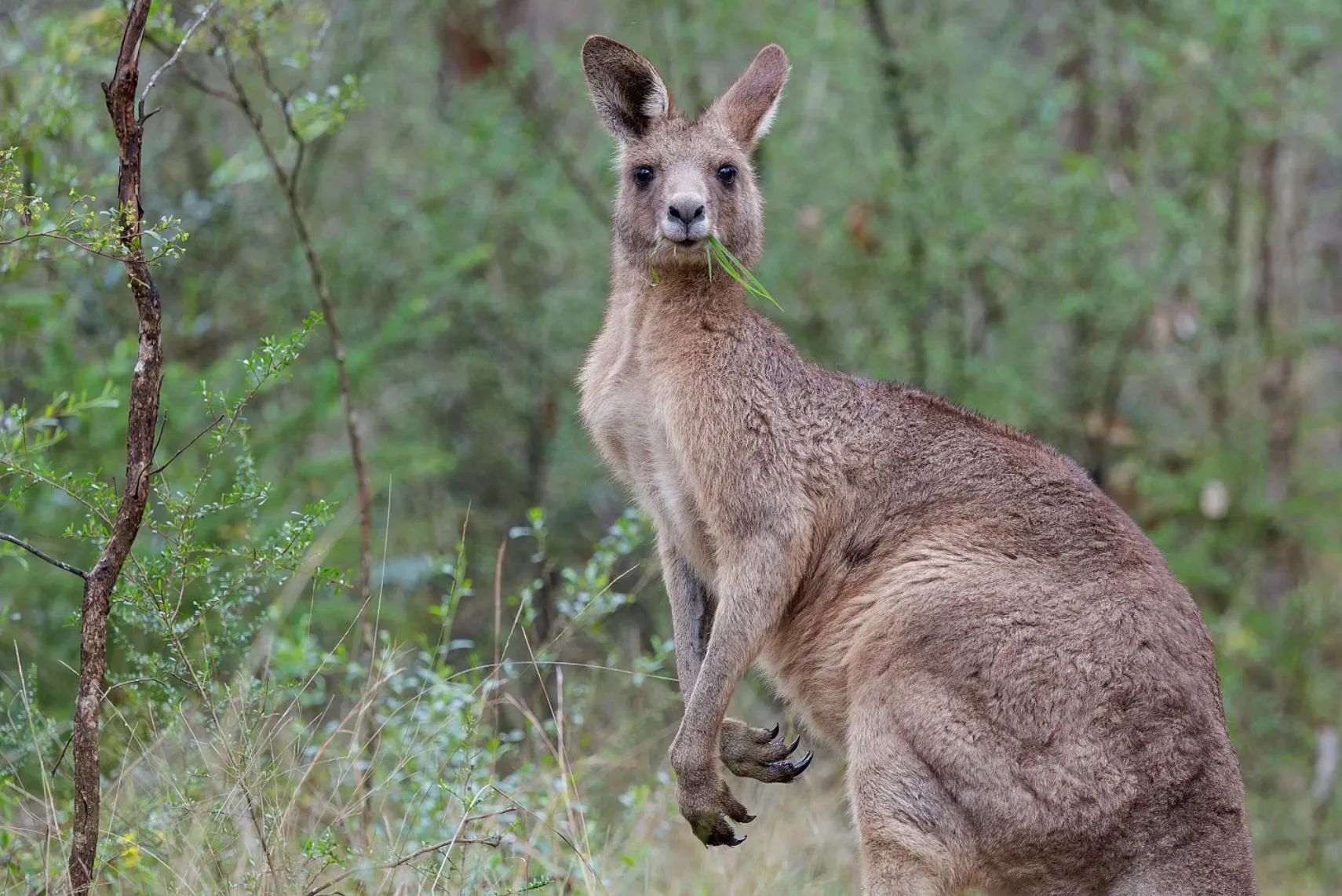
| Eastern Grey Kangaroo | Glenbrook, Euroka Clearing, Megalong Valley | Grazes early and late; calm if you keep your distance |
| Swamp Wallaby | Near bush edges and rainforest gullies | Shy; often alone rather than in mobs |
| Lyrebird | Jamison Valley, Leura Falls | Famous mimics; listen before you see them |
| Crimson Rosella | Katoomba Gardens, lookouts | Bold; often land near picnic tables |
| Wedge-tailed Eagle | Above cliffs and open valleys | Soars on thermals — bring binoculars |
| Peregrine Falcon | Cliffside caves and rocky escarpments | Fastest bird on earth; hunts near lookouts |
| Echidna | Narrow Neck Plateau, roadside verges | Solitary digger, slow and steady |
According to NSW National Parks’ biodiversity monitoring data from 2023, over 400 different species of vertebrates call the Greater Blue Mountains World Heritage Area home—52 types of mammals and 265 types of birds—probably one of the highest numbers of tall forest diversity in eastern Australia.
Local Secrets for the Hotspots
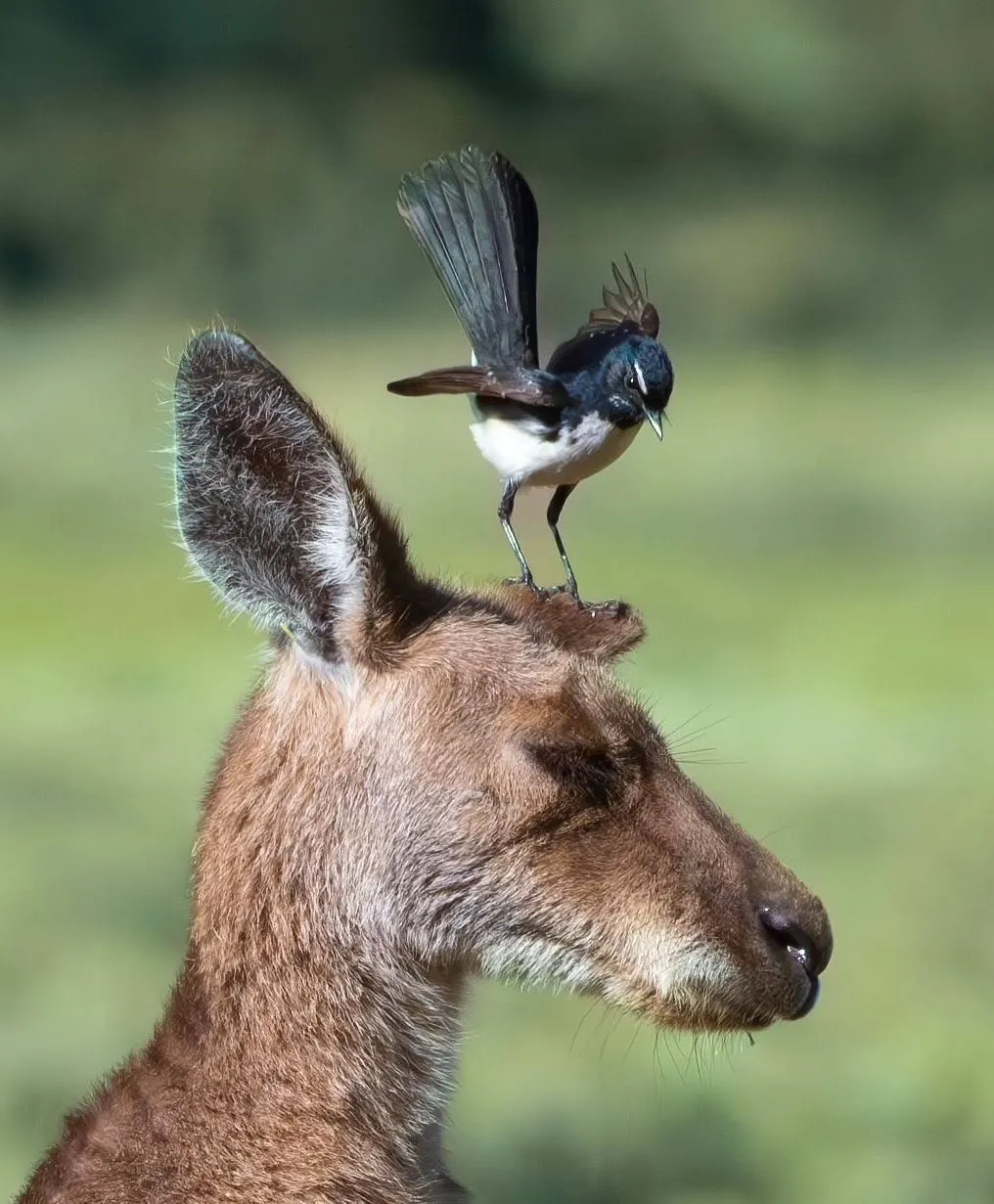
Every local guide has their own ‘lucky’ spot where wildlife always seems to be hanging out, but when I’ve been out there, I’ve seen some days where the roos just vanish into thin air. Wildlife don’t stick to a clock, so if you want to see them, you have to be in the right place with the right attitude – and be prepared to be patient.
- Euroka Clearing (Glenbrook): Just a 90-minute drive from Sydney. You can catch a mob of Eastern Greys grazing at dawn, but by 10 am they’ve usually cleared off – unless you strike lucky.
- Blackheath Meadow Trails: Keep your ears open for the sound of an Eastern Whipbird – its call sounds like a whip cracking.
- Megalong Valley: It’s quiet country here, with open paddocks where roos and wallabies tend to turn up for a feed.
- Govetts Leap Lookout: Keep an eye on the sky – wedge-tailed eagles and peregrine falcons often cruise the updrafts.
- Jenolan Caves Reserve – and try spotting some platypus in the Blue Lake around dusk if you’re lucky.
Remember to bring binoculars, a refillable water bottle, and sturdy shoes—the tracks can get slippery after a bit of rain.
If you want to be sure of catching a glimpse of native wildlife, then you could visit a wildlife park like Featherdale Sydney Wildlife Park on your way to the mountains. It’s a great way to get a bit of background on the animals before you try to spot them in the wild – many Blue Mountains Tour packages include a stop here, which is perfect for families.
The Best Times of Year to Visit for Wildlife Activity
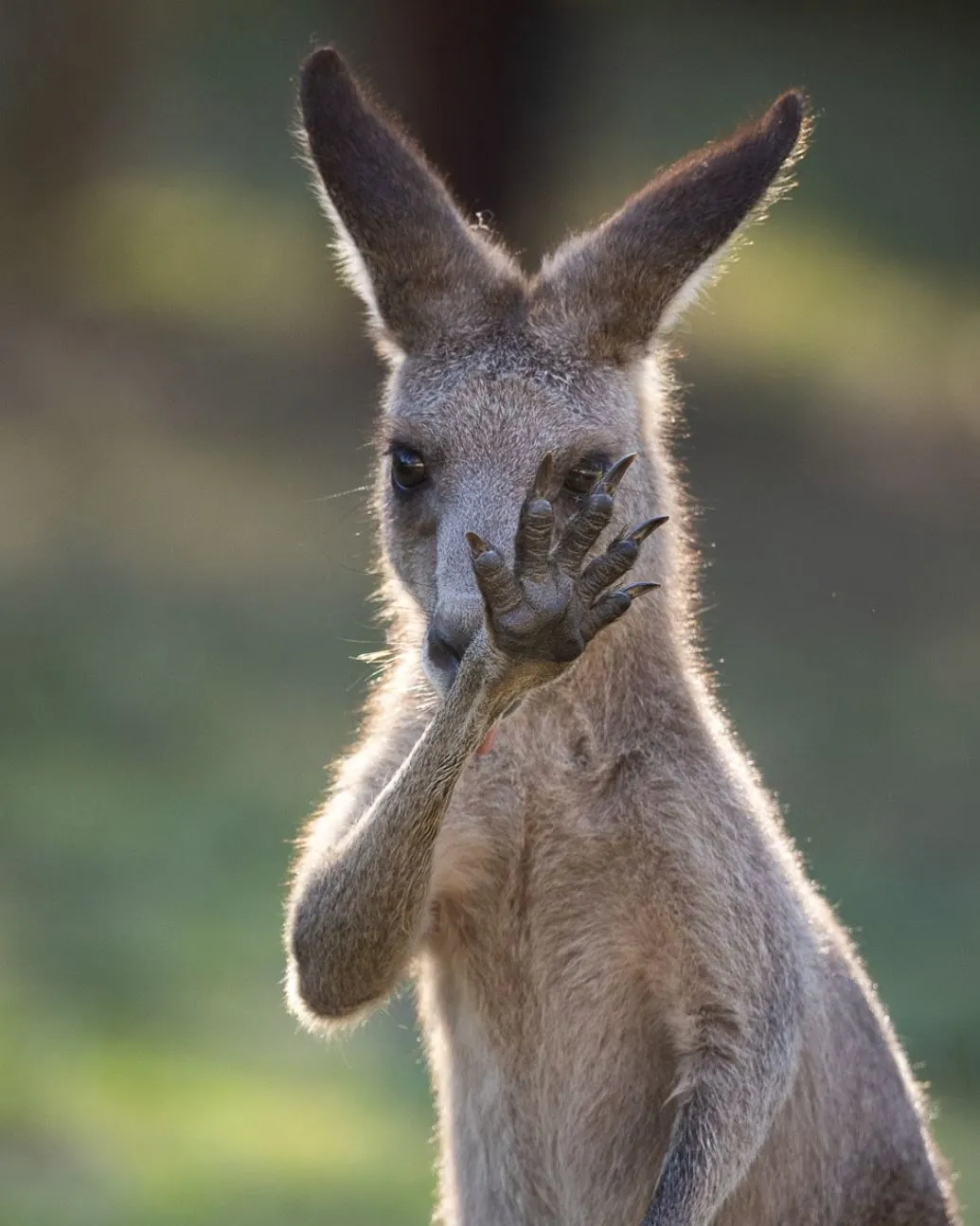
Timing can be everything – I’ve found that different seasons bring different wildlife encounters. I’ve learned that if you want to catch the most wildlife, then you need to plan your visit carefully.
| Season | What’s Happening in Nature | Travel Notes |
|---|---|---|
| Summer (Dec–Feb) | Heat pushes most wildlife into shade; great for reptiles | Start early, avoid midday walks |
| Autumn (Mar–May) | Milder days, more wallaby sightings | Good mix of birdlife and mammals |
| Winter (Jun–Aug) | Crisp mornings, clear air — fewer snakes | Ideal for spotting roos in frosty paddocks |
| Spring (Sep–Nov) | Breeding season — lots of bird activity | Busy visitor season; book early |
Spring mornings after rain are gold — the bush smells alive and lyrebirds are in full song. Winter is my pick for photography: clear skies, fewer crowds and roos against misty backdrops.
A 1 Day Blue Mountains Tour in winter can be magic — frosty paddocks, crisp air and mobs of roos basking in the morning sun.
Staying Respectful and Safe Around Wildlife
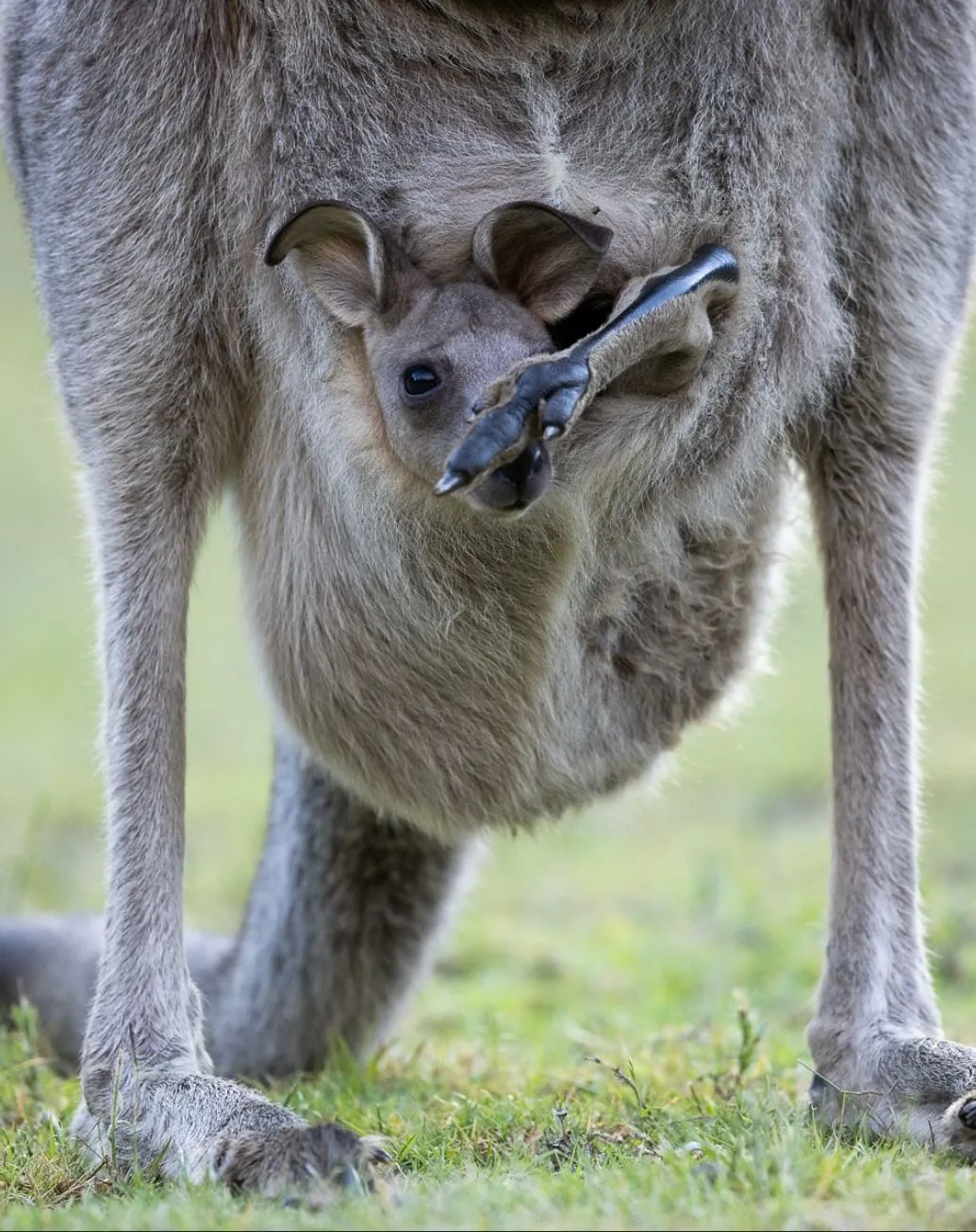
Wild animals aren’t props for selfies. The NSW National Parks and Wildlife Service asks visitors to stay at least 20 metres away from kangaroos and wallabies and 50 metres from larger species like emus or dingoes if encountered. Feeding animals — even “just a chip” — can cause serious dietary and behavioural problems.
Remember:
- Never approach or corner an animal — especially with joeys present.
- Stick to marked tracks; trampling vegetation destroys shelters.
- Dispose of food scraps properly or take them with you.
- Stay alert while driving near dawn or dusk — macropods are unpredictable jumpers.
- Use a torch on night walks but avoid shining directly into eyes.
Fun fact: NSW records around 15,000 animal–vehicle collisions per year, with kangaroos making up roughly 80% of those (Transport NSW, 2023). So, slow down through rural stretches — it’s safer for everyone.
Pet-Friendly Hotels and Dog-Friendly Spots
If you’re bringing your four-legged friend along, you’re in luck — the Blue Mountains have plenty of pet-friendly hotels and dog-friendly spots to include your pup in the adventure. Places like Blackheath Glen Tourist Park and Leura’s Fairmont Resort have pet rooms or outdoor areas. Always check with your accommodation for leash rules and cleaning fees.
Popular local walks like the Katoomba Cascade track and the upper sections of the Lawson Waterfall Circuit are pet-friendly — just avoid National Park zones where pets aren’t allowed.
Several 1 Day Blue Mountains Tour itineraries also recommend nearby pet-friendly cafes in Leura or Wentworth Falls — perfect for refuelling after a morning hike.
Guided Tours vs DIY
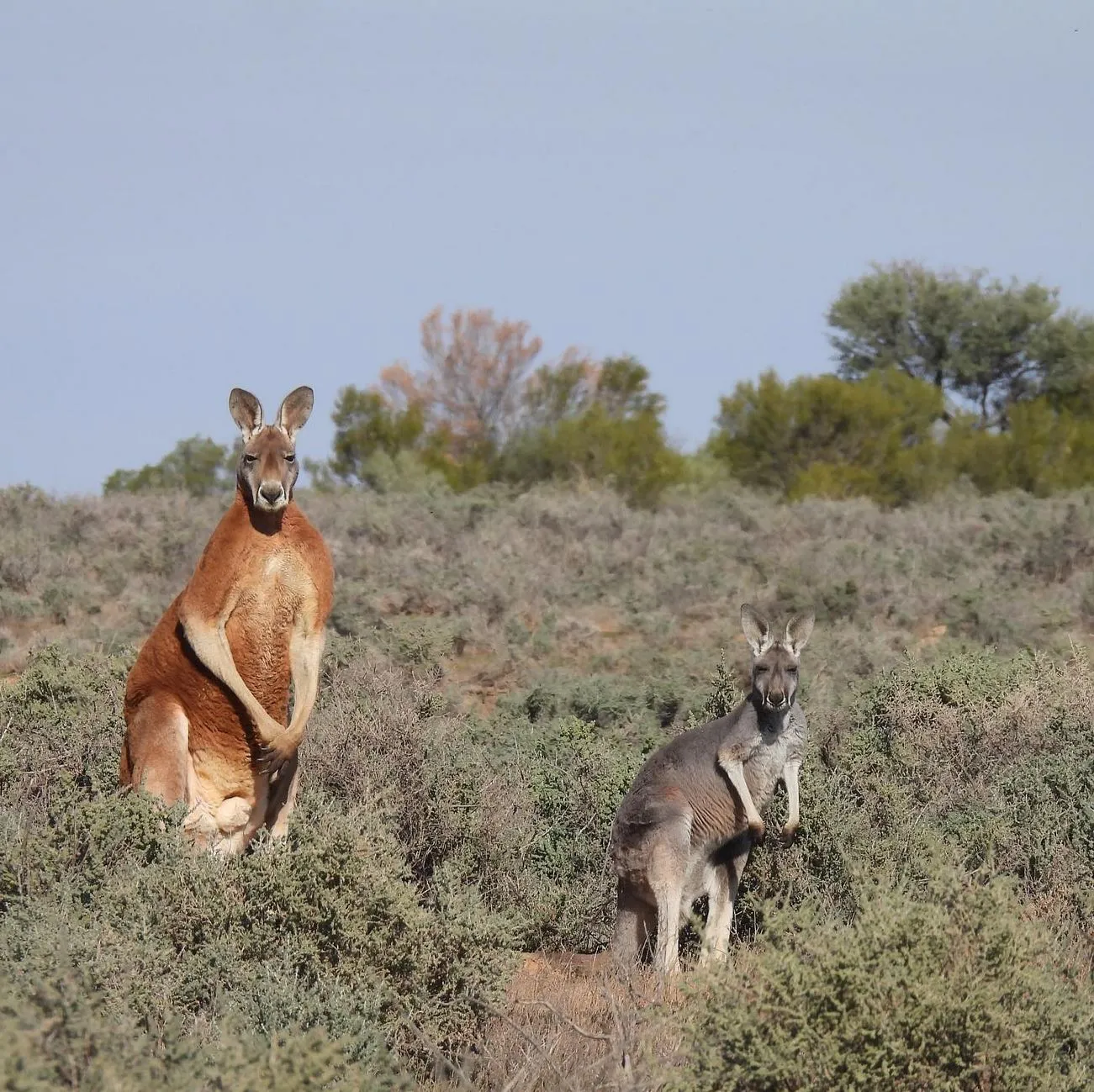
You can find wildlife on your own — plenty of people do. But guided eco-tours often get you insider access, extra safety and local knowledge you won’t get from a map app. At Get Lost Travel, we run small-group day tours where our guides know which valleys the roos like and how to spot subtle signs like fresh scat or tracks.
If you prefer DIY, download the NSW Parks “Wild About Whales” and “Discover NSW” apps — they have up-to-date alerts, trail closures and sighting logs. Always check local fire warnings and track conditions before heading out.
Pros of Going with a Guide:
- Knowledge of animal habits and calls
- Access to private lookouts or conservation zones
- Safer navigation in unfamiliar terrain
- Easier photo opportunities
Pros of Going Solo:
- Full flexibility and pace control
- Lower cost
- Solitude — the bush at its quietest
Whatever you do, carry plenty of water, sunscreen and insect repellent. Mozzies and march flies love the same shady creeklines you do.
Cultural Insight: Country and Connection
The Blue Mountains hold deep significance for the Darug and Gundungurra peoples, the Traditional Custodians of this Country. Many walking trails follow ancient songlines and some lookouts overlap with sacred landscapes. When I guide groups, we always stop at cultural sites to acknowledge Country and share the stories that shaped it.
If you visit places like the Glenbrook Gorge engravings or Katoomba’s cultural centre, take time to learn about the Dreaming stories of this land. Being a good traveller isn’t just about ticking wildlife off a list — it’s about understanding the land that supports it.
Packing List for Wildlife Spotting
A bit of planning can turn a good trip into a great one. Here’s what I recommend packing for a day trip:
- Lightweight daypack (20 L)
- Binoculars or zoom camera lens
- Refillable water bottle (1.5 L minimum)
- Sturdy walking shoes with grip
- Sunscreen and hat
- Insect repellent
- Light jacket — the weather can change fast at altitude
- Small first aid kit
- Reusable container for snacks
- Optional: a thermos for coffee — there’s nothing like boiling the billy at Govetts Leap with a mob of kangaroos grazing below. If you’re coming from Circular Quay to the mountains by ferry to Parramatta, it’s a nice warm-up before you hit the Great Western Highway — a great way to get into the trip with a view of Sydney.
Final Thoughts – The Bush Shows Its Teeth
If you’re thinking you can zip through the Blue Mountains and tick “kangaroo” off your bucket list in record time, think again. The bush has a different pace, and if you don’t slow right down, you might well go home empty-handed. Still, that’s part of the charm – when you do see some wildlife, it feels like a real miracle. I’ve run trips where we saw nothing but a few cockatoos and some noisy currawongs, and then days when we spotted five or more species before breakfast.
The secret to a good Blue Mountains trip is taking your foot off the accelerator. Ditch the city rat-race and just take the time to listen to the bush. If you do, you’ll be surprised at all the life that’s quietly going on all around you. Yes, you can see kangaroos and heaps more on a day trip, but only if you let the land set the pace. And trust me, it’ll show you its secrets in its own sweet time.
Joining a Blue Mountains Tour or taking a one-day trip will give you a good taste of it – and you can’t beat the simplicity and the scenery.
FAQ
Can I see kangaroos without leaving the main tourist areas?
Yes – there are a few good spots near Glenbrook’s Euroka Clearing, and on the outskirts of Katoomba, early morning and late afternoon are the best times to see ’em.
Are there snakes in the Blue Mountains?
There is no way to avoid ’em – you’ll see the odd red-bellied black snake roaming around. They’re generally pretty laid back, just avoid them when you can and stick to the tracks.
What’s the best way to take a decent photo of wildlife?
Just stick with your zoom lens or binoculars – never go chasing after the animals or try to bait ’em. A photo taken from a respectful distance always looks better than a stressed-out animal.
Are there any chances of spotting some koalas?
It’s a bit of a long shot – there have been some sightings in the past, but with habitat loss, they’re not exactly common around here. If you’re dead set on seeing some koalas, head up towards Port Macquarie, where you’ve got a bit better chance.
Are there any pet-friendly spots near lookouts or trails?
A few of the town areas around here and some of the lower escarpment trails near Lawson and Leura allow leashed dogs. Just be sure to check the signs or the council websites first.
Author: Paul Beames
Founder of Get Lost Travel Group – pushing the idea that the best way to see Australia is to get a bit lost and really start to explore.